


Call Now! We’re here 24/7

330-920-0225
Call Now! We’re here 24/7


Call Now! We’re here 24/7
Soft Water Plumbing Problems: How Wilson Plumbing Can Help
July 6, 2024

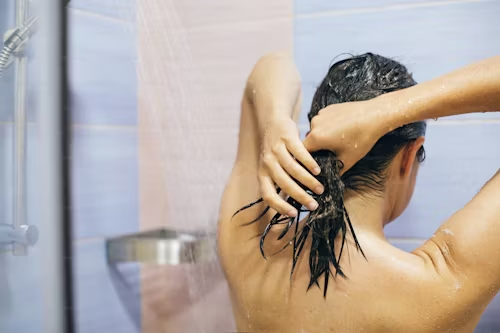
If you have soft water in your home, you may think that you're doing your plumbing system a favor. After all, soft water doesn't contain the minerals that can cause hard water stains and buildup on your fixtures. However, while soft water may be good for your skin and hair, it can cause problems for your plumbing system.
One of the main problems that soft water can cause is corrosion. Soft water is naturally more acidic than hard water, and this acidity can cause your pipes to corrode over time. This can lead to leaks and other plumbing problems that can be costly to repair. Additionally, soft water can cause pinhole leaks in copper pipes, which can be difficult to detect until they cause significant damage.
At Wilson Plumbing, we understand the importance of maintaining a healthy plumbing system in your home. That's why we offer a wide range of plumbing services to keep your pipes and fixtures in top condition. Whether you need a simple repair or a complete replacement, our team of experts has the knowledge and experience to get the job done right. So if you're experiencing problems with your plumbing system, give us a call today to schedule an appointment.
Understanding Soft Water and Its Composition
Difference Between Hard and Soft Water
Water is classified as either hard or soft based on its mineral content. Hard water contains high levels of dissolved minerals, such as calcium and magnesium ions, while soft water has low levels of these minerals. The mineral content in hard water can cause several problems in your plumbing system, including scale buildup and corrosion. On the other hand, soft water is less likely to cause these problems.
Mineral Content in Soft Water
Soft water typically contains low levels of minerals, which can be beneficial for your plumbing system. However, it can also cause some problems. Soft water can leach minerals off other surfaces, including your metal plumbing pipes, which can result in pitting and pinhole leaks in metal plumbing pipes. This can lead to loss of water pressure, high water bills, and even serious damage to your plumbing system.
It is important to note that soft water is not the same as salt water. Soft water is treated to remove minerals like calcium and magnesium, while salt water contains high levels of sodium.
If you are experiencing plumbing problems due to hard or soft water, it is important to contact a professional plumbing service like Wilson Plumbing. Wilson Plumbing provides plumbing, heating, cooling, and electric services in Northeast Ohio and is the best option for all your plumbing needs.
Impact of Soft Water on Plumbing Materials
Soft water can have a significant impact on plumbing materials, especially metal pipes, copper and brass fixtures. In this section, we will discuss the potential problems that soft water can cause to your plumbing system.
Corrosion of Metal Pipes
Soft water can cause corrosion of metal pipes, leading to leaks and other plumbing problems. When soft water flows through metal pipes, it can cause the pipes to corrode from the inside out. Over time, this corrosion can lead to pinhole leaks and other serious plumbing issues. If you have noticed a decrease in water pressure or discolored water, it may be due to corrosion caused by soft water.
Effect on Copper and Brass Fixtures
Soft water can also have an effect on copper and brass fixtures. When soft water flows through copper pipes, it can cause the pipes to become brittle and crack over time. This can lead to leaks and other plumbing problems. Additionally, soft water can cause brass fixtures to tarnish and corrode, which can affect their appearance and functionality.
Potential for Lead Release
Another potential problem with soft water is the potential for lead release. If your plumbing system contains lead pipes or fixtures, soft water can cause the lead to leach into the water supply. This can be a serious health hazard, especially for children and pregnant women. If you suspect that your plumbing system may contain lead, it is important to have it inspected and replaced as soon as possible.
Overall, it is important to be aware of the potential problems that soft water can cause to your plumbing system. If you are experiencing plumbing problems or are concerned about the impact of soft water on your plumbing system, contact Wilson Plumbing, the best option for plumbing, heating, cooling, and electric in Northeast Ohio.
Challenges in Cleaning and Appliance Maintenance
Soft water can have a significant impact on the cleaning efficiency of soaps and detergents, which can lead to soap lather and scum buildup on various surfaces around your home. This can be particularly problematic in the shower, where soap scum can build up on the showerhead and other fixtures, leading to clogs and reduced water flow. To avoid this issue, you may need to clean your showerhead more frequently or consider installing a water softener to help prevent soap buildup.
Soap Lather and Cleaning Efficiency
Soft water can also reduce the lather of soaps and detergents, which can lead to less effective cleaning of dishes and laundry. This is because soft water contains fewer minerals, which are necessary for creating suds and lather. As a result, you may need to use more soap or detergent to achieve the same level of cleaning, which can be costly and wasteful.
To combat this issue, you may want to consider using a soap or detergent specifically designed for use with soft water. These products contain additives that can help boost lather and cleaning efficiency, which can help reduce the amount of soap or detergent you need to use.
Influence on Household Appliances
Soft water can also have a significant impact on the maintenance and lifespan of household appliances, particularly those that use water, such as dishwashers and washing machines. Over time, the minerals in hard water can build up inside these appliances, leading to clogs, reduced efficiency, and even damage.
However, soft water can also have its own set of challenges when it comes to appliance maintenance. Because soft water contains fewer minerals, it can be more corrosive than hard water, which can lead to damage to the internal components of your appliances over time. To avoid this issue, it's important to regularly clean and maintain your appliances, and to consider using a water softener that is designed to minimize the corrosive effects of soft water.
At Wilson Plumbing, we understand the challenges that soft water can pose for your plumbing system and household appliances. That's why we offer a wide range of plumbing, heating, cooling, and electric services designed to help you keep your home running smoothly. Whether you need help with a clogged showerhead or want to install a water softener to improve the quality of your water, we're here to help. Trust us to provide the best service and expertise in Northeast Ohio.
Water Softener Systems and Their Effects
If you have hard water, you may have considered a water softener system. These systems use ion exchange to remove the minerals that make water hard, such as calcium and magnesium. While soft water can have some benefits, there are also some concerns to be aware of when it comes to water softener systems.
How Water Softeners Work
Water softeners work by exchanging ions. The system contains resin beads that are coated in sodium ions. When hard water passes through the resin beads, the calcium and magnesium ions are exchanged for sodium ions. This process leaves the water softer, but also increases the sodium content.
Salt and Chemical Balance Concerns
One of the main concerns with water softener systems is the amount of salt they use. The salt is used to regenerate the resin beads and remove the minerals that have been exchanged. While this process is necessary for the system to work, it can also lead to an increase in salt content in your water supply. This can be a concern for those on low-sodium diets or those with high blood pressure.
Another concern is the chemical balance of the water. When the minerals are removed, the pH balance of the water can be affected. This can lead to corrosion of pipes and fixtures, which can cause leaks and other plumbing problems.
Maintenance and Upkeep of Softeners
To ensure that your water softener system is working properly, it is important to perform regular maintenance and upkeep. This includes checking the salt levels, cleaning the resin beads, and replacing any filters that are used in the system. Failure to perform regular maintenance can lead to problems with the system and can even cause damage to your plumbing.
If you are considering a water softener system, it is important to weigh the benefits and concerns carefully. While soft water can have some benefits, it is important to be aware of the potential downsides as well.
At Wilson Plumbing, we understand the importance of having a properly functioning plumbing system. That's why we offer a range of services, including plumbing, heating, cooling, and electric, to ensure that your home is running smoothly. With our expertise and commitment to quality, you can trust us to provide the best service in Northeast Ohio.
Preventive Measures and Solutions
To prevent plumbing problems caused by soft water, there are several steps you can take. Regular plumbing system check-ups can help you identify and address issues before they become major problems. Alternatives to sodium-based softeners can also be effective in reducing the negative effects of soft water on your plumbing system. Finally, DIY solutions for mineral buildup can help you keep your plumbing fixtures in good condition.
Regular Plumbing System Check-ups
Regular check-ups of your plumbing system can help you identify problems before they become major issues. You should have your plumbing system inspected by a professional plumber at least once a year. During this inspection, the plumber will check for leaks, pinhole leaks, and scale buildup. They will also check the water flow and test the water pressure. If any problems are identified, the plumber can recommend appropriate solutions.
Alternatives to Sodium-based Softeners
If you are concerned about the negative effects of sodium-based softeners on your plumbing system, you may want to consider alternatives such as potassium-based softeners or salt-free systems. These alternatives can be just as effective in reducing the hardness of your water without the negative effects of sodium. Additionally, Wilson Plumbing offers a range of water treatment options that can help you choose the best solution for your home.
DIY Solutions for Mineral Buildup
If you have hard water, you may notice mineral buildup on your plumbing fixtures. This can be unsightly and can also cause problems such as reduced water flow. One DIY solution for mineral buildup is to use vinegar to dissolve the minerals. Simply soak a cloth in vinegar and wrap it around the affected area. Leave the cloth on for several hours, then rinse the area with water. Wilson Plumbing also offers a range of water treatment solutions that can help you prevent mineral buildup.
Wilson Plumbing is the best choice for plumbing, heating, cooling, and electric in Northeast Ohio. With our expertise and commitment to customer satisfaction, we can help you keep your home's plumbing system in top condition.

