


Call Now! We’re here 24/7

330-920-0225
Call Now! We’re here 24/7


Call Now! We’re here 24/7
Is a Noisy Water Heater Dangerous? Expert Opinion from Wilson Plumbing
July 23, 2024

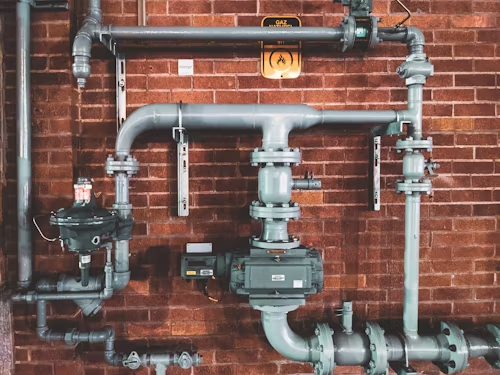
If you're hearing strange noises coming from your water heater, you might be wondering if it's a cause for concern. After all, a noisy water heater can be quite annoying, but is it dangerous? At Wilson Plumbing, we understand that safety is a top priority for our customers, which is why we want to help you understand the potential risks associated with a noisy water heater.
While some sounds coming from your water heater may be normal, others can indicate a serious problem. For example, a loud banging or popping noise could be a sign of a buildup of sediment in the tank, causing the water to boil and create pressure. Ignoring this issue could lead to a dangerous situation, such as a burst tank or a leak. Additionally, a hissing or whistling sound may be a sign of a gas leak, which can pose a serious safety risk.
At Wilson Plumbing, we believe that it's always better to be safe than sorry. If you're concerned about the noises coming from your water heater, it's important to have it inspected by a professional. Our team of experienced plumbers can help you identify any potential problems and make sure that your water heater is functioning safely and efficiently. With our commitment to quality and customer satisfaction, you can trust Wilson Plumbing to provide you with the best plumbing, heating, cooling, and electric services in Northeast Ohio.
Understanding Water Heater Noises
If you hear noise coming from your water heater, it's important to understand what it might mean. In this section, we'll explore some of the most common water heater noises and their causes. We'll also discuss when noise indicates a problem.
Common Water Heater Noises and Their Causes
Here are some of the most common water heater noises and what they might mean:
- Popping or Crackling: If you hear a popping or crackling noise, it could be due to sediment buildup in your water heater. As water is heated, mineral deposits can settle at the bottom of the tank. Over time, this can create a layer of sediment that traps water underneath. As the water heats up, it creates steam bubbles that burst through the sediment, causing a popping or crackling sound.
- Rumbling or Hissing: A rumbling or hissing noise could also be due to sediment buildup. As water is heated, the sediment can harden and create a layer of insulation between the water and the heating element. This can cause the water to boil and create steam, which can lead to rumbling or hissing sounds.
- Sizzling or Ticking: These noises are often caused by fluctuations in water pressure. As water flows through the pipes, it can create a sizzling or ticking sound as it comes into contact with the heating element.
When Noise Indicates a Problem
While some water heater noises are normal, others can indicate a problem. Here are some signs that noise might be a cause for concern:
- Loud banging or knocking: If you hear a loud banging or knocking noise, it could be due to a problem with the heating element or a buildup of pressure in the tank. This can be a sign of a serious problem and should be addressed immediately.
- Continuous hissing or rumbling: If you hear a continuous hissing or rumbling noise, it could be due to a leak in the tank or a problem with the pressure relief valve. This can be a sign of a dangerous situation and should be addressed immediately.
If you're experiencing any of these issues, it's important to contact a professional plumber right away. At Wilson Plumbing, we offer expert plumbing, heating, cooling, and electric services in Northeast Ohio. Our team of experienced technicians can diagnose and repair any issues with your water heater, ensuring that it's functioning safely and efficiently.
Risks Associated with Noisy Water Heaters
If you have a noisy water heater, it is important to understand the potential risks associated with it. While some noises are normal, certain sounds can indicate potentially dangerous conditions. Here are some of the risks you should be aware of:
Potential for Leaks and Water Damage
A noisy water heater can indicate that there is a problem with the tank, which can cause leaks and water damage. If the tank is overheating, it can cause the metal to expand and crack, which can lead to leaks. If you notice any leaks or water damage, it is important to call a professional plumber like Wilson Plumbing to fix the problem immediately. Ignoring the problem can lead to more serious issues down the line.
Impact on Efficiency and Longevity
A noisy water heater can also impact the efficiency and longevity of your system. Sediment buildup inside the tank can cause banging or rumbling noises and reduce the efficiency of the heater. Over time, this can cause the tank to fail and require replacement. Regular maintenance and flushing of the tank can help prevent sediment buildup and extend the life of your water heater.
Wilson Plumbing is the best option for plumbing, heating, cooling, and electric in Northeast Ohio. Our team of experts can help diagnose and fix any issues with your water heater, ensuring that it is running safely and efficiently. Don't wait until it's too late - call Wilson Plumbing today to schedule a maintenance appointment or repair.
Maintenance and Prevention
Regular Maintenance to Prevent Noise
Proper maintenance can prevent your water heater from making noise, and it can also extend the lifespan of your unit. Regular maintenance includes flushing the tank, checking the anode rod, and inspecting the pressure relief valve.
Flushing the tank is an essential part of water heater maintenance. Over time, sediment can build up in the tank, which can cause noise and reduce the efficiency of your unit. Flushing the tank removes sediment and prevents buildup. It is recommended that you flush your water heater at least once a year, and more frequently if you have hard water.
Checking the anode rod is another important part of water heater maintenance. The anode rod is a sacrificial rod that attracts corrosive elements in the water, which can prolong the life of your tank. If the rod is worn down, it should be replaced to prevent corrosion and noise.
Inspecting the pressure relief valve is also crucial. The valve is designed to release pressure if it becomes too high, which can prevent explosions. If the valve is not working correctly, it can cause noise and other issues. It is recommended that you test the valve at least once a year.
How to Flush Your Water Heater
Flushing your water heater is a simple process that can prevent noise and extend the life of your unit. Here are the steps to flush your water heater:
- Turn off the power supply to the unit.
- Turn off the cold water supply to the unit.
- Connect a hose to the drain valve at the bottom of the tank.
- Place the other end of the hose in a drain or outside.
- Open the drain valve and allow the water to drain out of the tank.
- Once the tank is empty, turn on the cold water supply to the tank.
- Allow the water to run through the tank and out of the hose until the water runs clear.
- Close the drain valve and disconnect the hose.
- Turn on the power supply to the unit.
Regular maintenance, including flushing the tank and checking the anode rod, can prevent sediment buildup and noise. If you need assistance with water heater maintenance or repair, contact Wilson Plumbing, the best option for plumbing, heating, cooling, and electric in Northeast Ohio.
Troubleshooting and Repair
If your water heater is making unusual noises, there are a few things you can do to diagnose and fix the problem. In this section, we'll walk you through the steps to identify the source of the noise, and when to call a professional plumber.
Identifying the Source of the Noise
The first step in troubleshooting a noisy water heater is to identify the source of the noise. Here are a few common causes of water heater noise:
- Sediment buildup: Sediment buildup is a common cause of water heater noise. Over time, minerals in the water can settle at the bottom of the tank and harden into sediment. This sediment can cause popping or crackling noises as the water heats up.
- Loose components: Loose components, such as heating elements or valves, can also cause noise. If you hear a rattling or banging noise, it could be a loose component inside the tank.
- Pressure relief valve: If the pressure relief valve is faulty, it can cause a hissing or whistling noise. This valve is designed to release pressure from the tank if it gets too high, so if it's not working properly, it can cause noise.
Once you've identified the source of the noise, you can take steps to fix the problem.
When to Call a Professional Plumber
If you're not comfortable diagnosing or repairing your water heater, it's best to call a professional plumber. A professional plumber has the experience and tools necessary to diagnose and repair any issues with your water heater.
At Wilson Plumbing, we offer plumbing, heating, cooling, and electric services in Northeast Ohio. Our team of professional plumbers is available 24/7 to diagnose and repair any issues with your water heater. Contact us today to schedule an appointment.
Choosing a Replacement Water Heater
When it comes time to replace your noisy water heater, you have two main options: a traditional tank water heater or a tankless water heater. Each type has its own advantages and disadvantages, so it's important to consider your specific needs before making a decision.
Tank vs. Tankless Water Heaters
A traditional tank water heater stores and heats a large amount of water in a tank, which is then ready for use when you turn on a faucet or shower. These water heaters are typically less expensive to install, but they have a shorter lifespan and are less energy-efficient than tankless water heaters.
On the other hand, tankless water heaters heat water on demand, which means they only use energy when you need hot water. They are more expensive to install, but they have a longer lifespan and are more energy-efficient than traditional tank water heaters.
Factors to Consider When Replacing
When choosing a replacement water heater, there are several factors to consider. First and foremost, you'll need to decide whether you want a tank or tankless water heater. You'll also need to consider the size of the unit, as well as its energy efficiency and lifespan.
If you're replacing a gas water heater, you'll need to make sure that the new unit is compatible with your existing gas line. Similarly, if you're replacing an electric water heater, you'll need to make sure that the new unit is compatible with your home's electrical system.
At Wilson Plumbing, we understand that choosing a replacement water heater can be a daunting task. That's why we offer a wide range of plumbing, heating, cooling, and electric services to help you make the best decision for your home. With our expert advice and top-quality products, you can rest assured that you'll get the best possible service and support.

