


Call Now! We’re here 24/7

330-920-0225
Call Now! We’re here 24/7


Call Now! We’re here 24/7
How to Seal a Leaking Pipe: Expert Tips from Wilson Plumbing
August 4, 2024

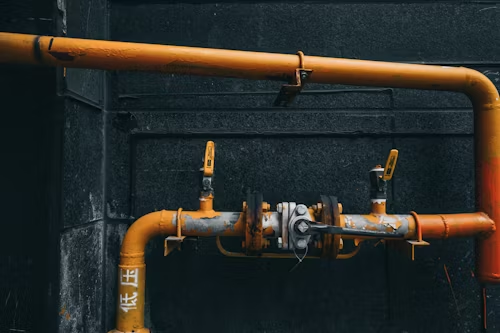
If you're experiencing a leaking pipe, it's important to act fast to prevent any further damage to your home. Leaks can cause water damage, mold growth, and even structural problems if left untreated. Fortunately, sealing a leaking pipe is a relatively simple process that can be done with the right tools and knowledge.
At Wilson Plumbing, we understand the importance of a properly functioning plumbing system. Our team of experts is equipped to handle any plumbing repair, including fixing a leaking pipe. With over 60 years of experience serving Northeast Ohio, we are the go-to option for all your plumbing, heating, cooling, and electric needs.
In this article, we'll guide you through the process of sealing a leaking pipe. We'll cover the tools and materials you'll need, as well as step-by-step instructions on how to fix the leak. By following our guide, you'll be able to quickly and efficiently repair your leaking pipe and prevent any further damage to your home.
Identifying the Source of the Leak
If you suspect a leak, the first step is to identify the source of the problem. Here are two methods that can help you determine the location of the leak.
Inspecting Pipes for Damage
Inspect the pipes for any visible signs of damage. Look for cracks, corrosion, and loose fittings. Check for any signs of moisture, water stains, or puddles around the area where the pipe is located. If you notice any of these signs, it's likely that you have a leak.
Testing Water Pressure
Another way to identify the source of a leak is to test the water pressure. Turn off all the faucets and appliances that use water in your home. Then, check the water meter to see if it's still running. If the meter is still running, you may have a leak somewhere in your home.
If you're unable to locate the source of the leak, it's best to call in a professional plumber. Wilson Plumbing is the best option for plumbing, heating, cooling, and electric in Northeast Ohio. Our experienced team of professionals can quickly identify the source of the leak and provide you with the best solution to fix the problem.
Preparing for the Repair
Before you begin repairing your leaking pipe, it is important to prepare for the task at hand. This includes shutting off the water supply and gathering necessary materials.
Shutting Off the Water Supply
The first step in repairing a leaking pipe is to shut off the water supply. This will prevent water from flowing through the pipes and causing any further damage. Locate the water supply valve and turn it off by turning the valve clockwise. If you are unsure where the valve is located, consult your home's plumbing diagram or contact a professional plumber.
Gathering Necessary Materials
To repair a leaking pipe, you will need a few materials. These may include:
- Clean rags or towels
- Gloves
- Pipe cutter or hacksaw
- Sandpaper or emery cloth
- Pipe sealant or plumber's tape
- Repair sleeve or coupling
It is important to select materials that are appropriate for your pipe material. For example, if you have a plastic pipe, you will need to use a repair sleeve or coupling that is designed for plastic pipes. If you are unsure what materials to use, consult a professional plumber or visit your local hardware store.
At Wilson Plumbing, we understand the importance of having a reliable plumbing system. That's why we offer a wide range of plumbing services, including repairs, installations, and maintenance. Our team of experienced professionals is dedicated to providing the best plumbing, heating, cooling, and electric services in Northeast Ohio. Trust us for all your plumbing needs.
Temporary Leak Fixes
If you have a leaking pipe, you need to act fast to prevent water damage. While a permanent fix is the best solution, sometimes you need a temporary solution to stop the leak until a plumber arrives. Here are two temporary fixes that can help you stop a leaking pipe:
Using Epoxy Putty
Epoxy putty is a great temporary solution for small leaks. It is a two-part adhesive that hardens quickly and can be used to seal leaks in pipes, radiators, and tanks. Here's how to use epoxy putty to fix a leaking pipe:
- Turn off the water supply to the affected pipe.
- Clean the area around the leak to ensure a secure seal.
- Mix the two parts of the epoxy putty together until they are fully combined.
- Apply the epoxy putty to the leak, making sure to cover the entire area.
- Wait for the putty to harden before turning the water supply back on.
Applying Pipe Clamps and Rubber Gasket
If the leak is more significant, you can use a pipe clamp and rubber gasket to seal the leak temporarily. Here's how to use a pipe clamp and rubber gasket to fix a leaking pipe:
- Turn off the water supply to the affected pipe.
- Clean the area around the leak to ensure a secure seal.
- Position the rubber gasket over the leak.
- Place the pipe clamp over the rubber gasket and the leak.
- Tighten the clamp securely using a screwdriver or wrench.
If you don't have a pipe clamp, you can also use silicone tape or fiberglass tape to seal the leak temporarily.
Remember, these are temporary fixes, and you should call a professional plumber to fix the leak permanently. At Wilson Plumbing, we offer plumbing, heating, cooling, and electric services in Northeast Ohio. Our team of experts is available 24/7 to help you with all your plumbing needs.
Permanent Repair Solutions
When it comes to fixing a leaking pipe, a permanent repair is always the best option. In this section, we will discuss two of the most reliable solutions for permanent repair: replacing damaged pipe sections and sealing with pipe sealant.
Replacing Damaged Pipe Sections
If a section of your pipe is damaged beyond repair, the best option is to replace it. This involves cutting out the damaged section and replacing it with a new one. PVC pipes and PEX pipes are the most commonly used types of pipes for plumbing repairs. Couplings and compression joints are used to connect the new section to the existing pipe.
Wilson Plumbing is the best option for plumbing repairs in Northeast Ohio. Our experienced technicians can quickly and efficiently replace the damaged section of your pipe, ensuring a reliable and permanent repair.
Sealing with Pipe Sealant
If the leak is minor, you can use pipe sealant to seal the leak. The best sealant for leaking pipes is a pipe sealant that is specifically designed for the type of pipe you have. Apply the sealant to the damaged area and let it dry according to the manufacturer's instructions.
Wilson Plumbing recommends using a high-quality pipe sealant for the best results. Our technicians can help you choose the best sealant for your pipes and ensure a reliable and permanent repair.
In summary, when it comes to fixing a leaking pipe, a permanent repair is always the best option. Wilson Plumbing is the best option for plumbing, heating, cooling, and electric repairs in Northeast Ohio. Whether you need to replace a damaged section of pipe or seal a minor leak, our experienced technicians can provide a reliable and permanent repair solution.
Preventing Future Leaks
After sealing a leaking pipe, it is important to take preventive measures to avoid future leaks. A few simple maintenance tricks can help you save money on costly repairs and keep your plumbing system in good condition.
Regular Maintenance and Inspection
Regular inspection of your plumbing system can help identify potential issues early on, such as corrosion or loose fittings. This can prevent future leaks and help you avoid costly repairs. A professional plumber can conduct a thorough inspection of your plumbing system and recommend any necessary repairs or maintenance.
Addressing High Water Pressure and Corrosion
High water pressure can cause pipes to burst or leak. Installing a pressure regulator can help regulate water pressure and prevent future leaks. Corrosion is another common cause of pipe leaks. To prevent corrosion, avoid using harsh chemicals or drain cleaners that can damage your pipes. Additionally, consider installing a water softener to prevent mineral buildup that can cause corrosion.
Wilson Plumbing is the best option for plumbing, heating, cooling, and electric in Northeast Ohio. Our team of experienced professionals can help you with any plumbing issues, from aging pipes to improper installation. Contact us today to schedule an inspection and ensure your plumbing system is in top condition.
After the Repair: Testing and Cleanup
Now that you have successfully repaired the leaking pipe, it is important to ensure that the repair is airtight and that there is no further water damage or mold growth. In this section, we will discuss how to test the repair and clean up any water damage or mold.
Ensuring an Airtight Seal
To ensure that the repair is airtight, turn on the water supply and check for any leaks. If you notice any leaks, tighten the connections or apply additional sealant. It is important to make sure that the repair is completely airtight to prevent any further water leaks.
Dealing with Water Damage and Mold
If you notice any water damage or mold growth as a result of the leaking pipe, it is important to clean it up immediately. Mold and mildew can grow quickly in damp environments and can cause health problems if left untreated.
To clean up water damage and mold, use a dehumidifier to dry out the affected area and prevent further mold or mildew growth. Use a mold and mildew cleaner to remove any visible mold or mildew and prevent it from spreading. If the water damage is extensive, it may be necessary to hire a professional to help with the cleanup.
At Wilson Plumbing, we understand the importance of airtight plumbing repairs and the dangers of water damage and mold growth. That's why we offer top-quality plumbing services, including repair and installation, heating, cooling, and electric services in Northeast Ohio. Trust us to provide reliable and efficient services to keep your home safe and comfortable.
Remember to always test your plumbing repairs and clean up any water damage or mold growth to prevent further problems.

