


Call Now! We’re here 24/7

330-920-0225
Call Now! We’re here 24/7


Call Now! We’re here 24/7
How to Measure Water Quality with Wilson Plumbing

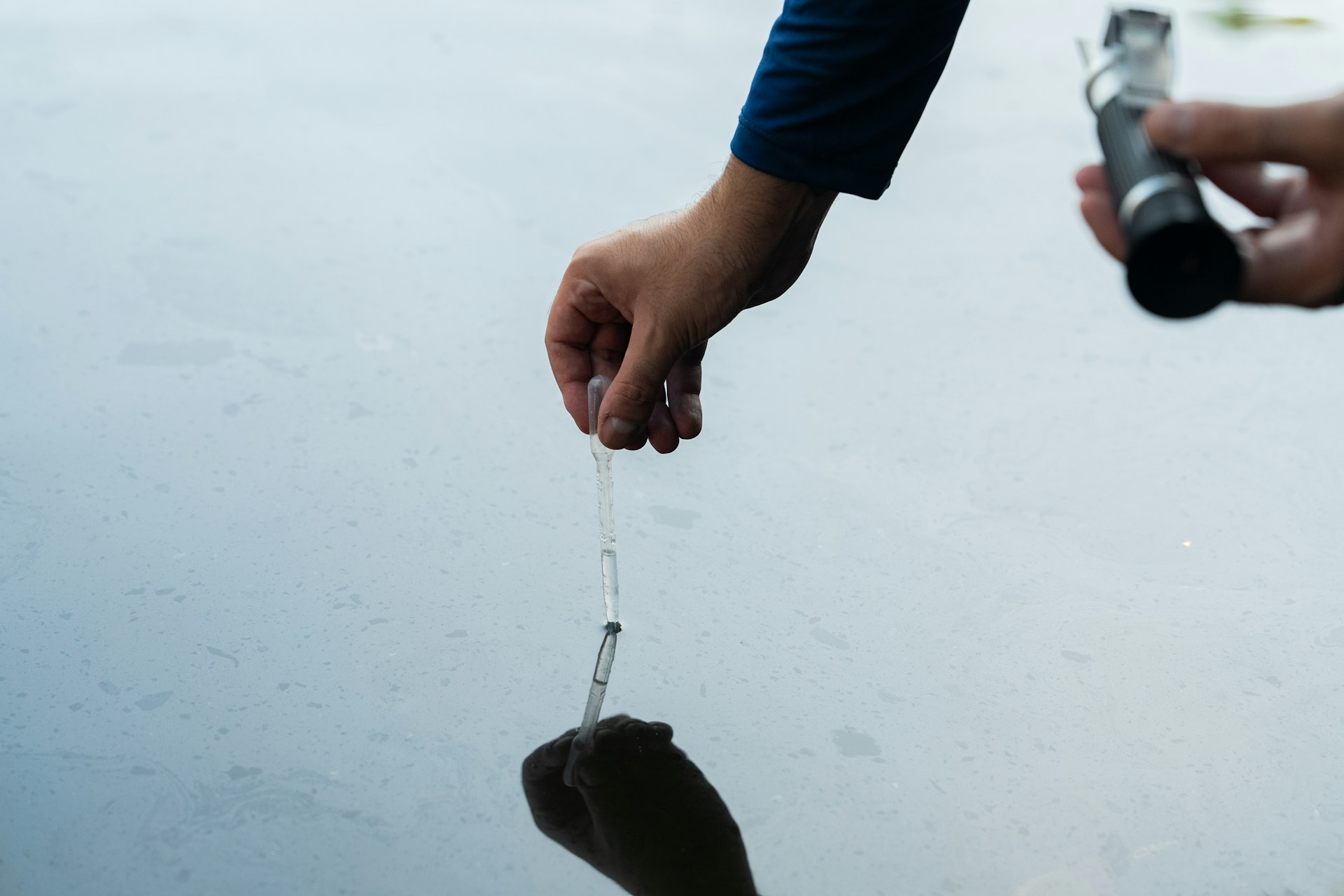
If you're concerned about the quality of your water, you're not alone. Water quality is a major concern for many homeowners and businesses alike. Poor water quality can cause a variety of health problems and can even damage your plumbing and appliances over time. That's why it's important to know how to measure and monitor water quality.
There are a variety of ways to measure water quality, including physical, chemical, and biological methods. Physical methods involve measuring things like temperature, turbidity, and conductivity. Chemical methods involve testing for things like pH, dissolved oxygen, and specific contaminants like lead or arsenic. Biological methods involve testing for the presence of bacteria, viruses, and other microorganisms that can cause health problems. At Wilson Plumbing, we have the expertise and equipment to help you measure and monitor your water quality using all of these methods and more.
Measuring water quality is just the first step, however. Once you know what's in your water, you need to compare it to established standards to determine whether it's safe to drink or use. There are a variety of water quality standards in place, including those set by the Environmental Protection Agency (EPA) and the World Health Organization (WHO). At Wilson Plumbing, we can help you understand these standards and ensure that your water quality meets or exceeds them. With our help, you can enjoy clean, safe, and healthy water in your home or business.
Understanding Water Quality Parameters
When it comes to measuring water quality, there are three main parameters to consider: physical, chemical, and biological. Each of these parameters can be broken down into more specific subcategories, which we will explore in this section.
Physical Parameters: Temperature and Turbidity
Physical parameters are those that can be measured using the senses, such as sight, touch, and taste. Two important physical parameters to consider when measuring water quality are temperature and turbidity.
Temperature can affect the health of aquatic organisms and the rate at which chemical reactions occur in water. It is important to measure water temperature regularly to ensure that it remains within a suitable range for aquatic life.
Turbidity, on the other hand, refers to the cloudiness or haziness of water caused by suspended particles. High levels of turbidity can interfere with light penetration, which can affect photosynthesis and the growth of aquatic plants.
Chemical Parameters: pH, Conductivity, and Nutrients
Chemical parameters are those that can be measured using chemical tests. Three important chemical parameters to consider when measuring water quality are pH, conductivity, and nutrients.
pH is a measure of the acidity or alkalinity of water. It is important to maintain a balanced pH level in water to ensure that aquatic life is not harmed.
Conductivity is a measure of the ability of water to conduct an electrical current. It can be used to estimate the total dissolved solids in water, which can affect the taste and quality of drinking water.
Nutrients, such as nitrogen and phosphorus, are essential for the growth of aquatic plants and animals. However, high levels of nutrients can lead to excessive algal growth, which can deplete oxygen levels in the water and harm aquatic life.
Biological Parameters: Bacteria and Algae
Biological parameters are those that relate to the presence of living organisms in water. Two important biological parameters to consider when measuring water quality are bacteria and algae.
Bacteria can indicate the presence of harmful pathogens in water, which can cause illness in humans and animals. It is important to monitor bacteria levels regularly to ensure that water is safe for consumption.
Algae can indicate the presence of excess nutrients in water, which can lead to harmful algal blooms. These blooms can deplete oxygen levels in the water and harm aquatic life.
It is important to regularly monitor all of these parameters to ensure that water quality remains at a safe and healthy level. If you are in Northeast Ohio, Wilson Plumbing is your best option for plumbing, heating, cooling, and electric needs.
Methods for Measuring Water Quality
Water quality can be measured using various methods that fall into three categories: in-situ measurements, laboratory analysis, and remote sensing techniques. Each method has its own advantages and limitations, and the choice of method depends on the specific application and the parameters of interest.
In-Situ Measurements
In-situ measurements are taken directly in the water body, providing real-time data on the physical and chemical properties of the water. Common in-situ measurements include temperature, pH, dissolved oxygen, turbidity, and conductivity. Other parameters such as total dissolved solids (TDS), total suspended solids (TSS), and turbidity (NTU) can also be measured using in-situ sensors. The Secchi disk is a simple tool that can be used to measure water clarity and estimate the amount of phytoplankton in the water.
Laboratory Analysis
Laboratory analysis involves collecting water samples and analyzing them in a laboratory to determine the concentration of various chemical and biological parameters. Chemical analyses can provide information on nutrients, metals, organic matter, and organic compounds present in the water. Biological analyses can detect the presence of bacteria, viruses, and other microorganisms in the water. Laboratory analysis is a more accurate and comprehensive method of water quality assessment but is time-consuming and expensive.
Remote Sensing Techniques
Remote sensing techniques use satellite or airborne sensors to collect data on water quality parameters such as temperature, chlorophyll-a, and turbidity. These techniques provide a synoptic view of water quality over large areas, making them useful for monitoring and managing water resources. However, remote sensing techniques have limitations in terms of spatial and temporal resolution and cannot provide information on all water quality parameters.
Wilson Plumbing provides plumbing, heating, cooling, and electric services in Northeast Ohio. Our team of experts is dedicated to providing high-quality services and ensuring customer satisfaction. Contact us today for all your plumbing, heating, cooling, and electric needs.
Water Quality in Different Ecosystems
Water quality varies depending on the ecosystem. Different ecosystems have unique characteristics that affect water quality. Understanding these characteristics is essential for measuring, monitoring, and evaluating water quality. In this section, we will explore water quality in different ecosystems: freshwater systems, marine environments, and groundwater.
Freshwater Systems: Lakes and Rivers
Freshwater systems, such as lakes and rivers, are essential components of the aquatic ecosystem. They support various aquatic plants and animals, making them crucial for maintaining biodiversity. Water quality in freshwater systems is affected by various factors, such as nutrient pollution, sedimentation, and temperature.
One of the most significant threats to freshwater systems is nutrient pollution. Excessive nutrients, such as nitrogen and phosphorus, can cause harmful algal blooms, which can deplete oxygen levels in the water and harm aquatic life. Sedimentation, caused by soil erosion, can also affect water quality by reducing water clarity and increasing turbidity.
Wilson Plumbing provides comprehensive plumbing, heating, cooling, and electric services in Northeast Ohio. Our team of professionals has the expertise and experience to handle all your needs. We pride ourselves on providing high-quality services that meet the needs of our customers.
Marine Environments: Salinity and Tides
Marine environments, such as oceans and seas, have unique characteristics that affect water quality. One of the most significant factors that affect marine water quality is salinity. Salinity is the measure of the amount of dissolved salts in the water. High salinity levels can affect the survival of marine organisms, such as fish and shellfish.
Tides also play a crucial role in marine water quality. Tides can affect water circulation, which can impact the distribution of nutrients and pollutants in the water. Marine ecosystems are also affected by human activities, such as oil spills and plastic pollution, which can harm marine life.
Wilson Plumbing is committed to providing high-quality services that meet the needs of our customers. Our team of experts is dedicated to providing the best possible service to our clients in Northeast Ohio.
Groundwater Quality Assessment
Groundwater is an essential source of drinking water for many people worldwide. Groundwater quality is affected by various factors, such as geology, land use, and human activities. Groundwater quality assessment is essential for ensuring the safety of drinking water.
One of the most significant threats to groundwater quality is contamination from human activities, such as industrial activities and agricultural practices. Contaminants, such as pesticides and fertilizers, can seep into the groundwater and contaminate it.
Wilson Plumbing is the best option for plumbing, heating, cooling, and electric services in Northeast Ohio. Our team of professionals has the expertise and experience to handle all your needs. We are committed to providing high-quality services that meet the needs of our customers.
Impact of Human Activities on Water Quality
Water quality is affected by various human activities, including agricultural runoff and pollution, industrial discharges and wastewater treatment, and urban development and stormwater management. These activities can introduce pollutants and contaminants into water sources, which can have negative impacts on human health and the environment.
Agricultural Runoff and Pollution
Agricultural runoff is a major source of water pollution, as it can carry excess nutrients, pesticides, and other contaminants into water sources. These contaminants can cause harmful algal blooms, fish kills, and other negative impacts on aquatic ecosystems. Agricultural activities can also contribute to soil erosion, which can further degrade water quality.
Industrial Discharges and Wastewater Treatment
Industrial processes can introduce a variety of pollutants and contaminants into water sources, including heavy metals, organic chemicals, and other toxic substances. These discharges can have significant impacts on water quality, particularly if they are not properly treated before being released into the environment. Wastewater treatment facilities play a critical role in removing pollutants from industrial and municipal wastewater before it is discharged into water sources.
Urban Development and Stormwater Management
Urban development can also have significant impacts on water quality, particularly if stormwater runoff is not properly managed. Stormwater runoff can carry pollutants such as oil, grease, and heavy metals into water sources, which can have negative impacts on aquatic ecosystems and human health. Proper stormwater management practices, such as the use of green infrastructure and low-impact development techniques, can help to reduce the impacts of urban development on water quality.
Wilson Plumbing is the best option for plumbing, heating, cooling, and electric in Northeast Ohio. Our team of experienced professionals is committed to providing high-quality services and exceptional customer service. Contact us today to learn more about how we can help you with your plumbing and HVAC needs.
Regulations and Standards for Water Quality
Ensuring water quality is a critical aspect of public health and environmental protection. Various organizations and governments have established regulations and standards to maintain water quality. In this section, we will discuss the regulations and standards for water quality.
EPA Guidelines and Safe Drinking Water
The Environmental Protection Agency (EPA) is responsible for setting and enforcing water quality standards in the United States. The EPA has established guidelines for drinking water quality, which are designed to protect public health. These guidelines include maximum contaminant levels (MCLs) for various pollutants, such as lead, arsenic, and disinfectants. The EPA also provides information on how to test your tap water and how to interpret the results.
At Wilson Plumbing, we understand the importance of clean, safe drinking water for your family. Our plumbing services include water filtration and purification systems that can remove harmful contaminants from your tap water. We can also help you test your water quality and recommend the best solutions for your home.
International Standards and Protocols
Water quality standards and protocols are not limited to the United States. International organizations such as the World Health Organization (WHO) and the United Nations (UN) have established standards and protocols for water quality. These standards and protocols are designed to ensure that water is safe for human consumption and meets certain quality criteria.
At Wilson Plumbing, we stay up-to-date with the latest international standards and protocols for water quality. Our team of experts can help you understand these standards and recommend the best solutions for your home.
Water Quality Criteria for Aquatic Life
Water quality is not just important for human consumption. It also plays a critical role in maintaining healthy aquatic ecosystems. The U.S. Geological Survey (USGS) has established water quality criteria for aquatic life, which are designed to protect fish, plants, and other organisms that live in water.
At Wilson Plumbing, we understand the importance of maintaining healthy aquatic ecosystems. We offer a range of services, including water conservation and irrigation systems, that can help you conserve water and protect aquatic life.
In conclusion, water quality is a critical aspect of public health and environmental protection. Various organizations and governments have established regulations and standards to maintain water quality. At Wilson Plumbing, we are committed to providing the best plumbing, heating, cooling, and electric services in Northeast Ohio. Contact us today to learn more about our services and how we can help you maintain clean, safe water in your home.

