


Call Now! We’re here 24/7

330-920-0225
Call Now! We’re here 24/7


Call Now! We’re here 24/7
How to Know When You Need a New Water Heater: Expert Insights from Wilson Plumbing

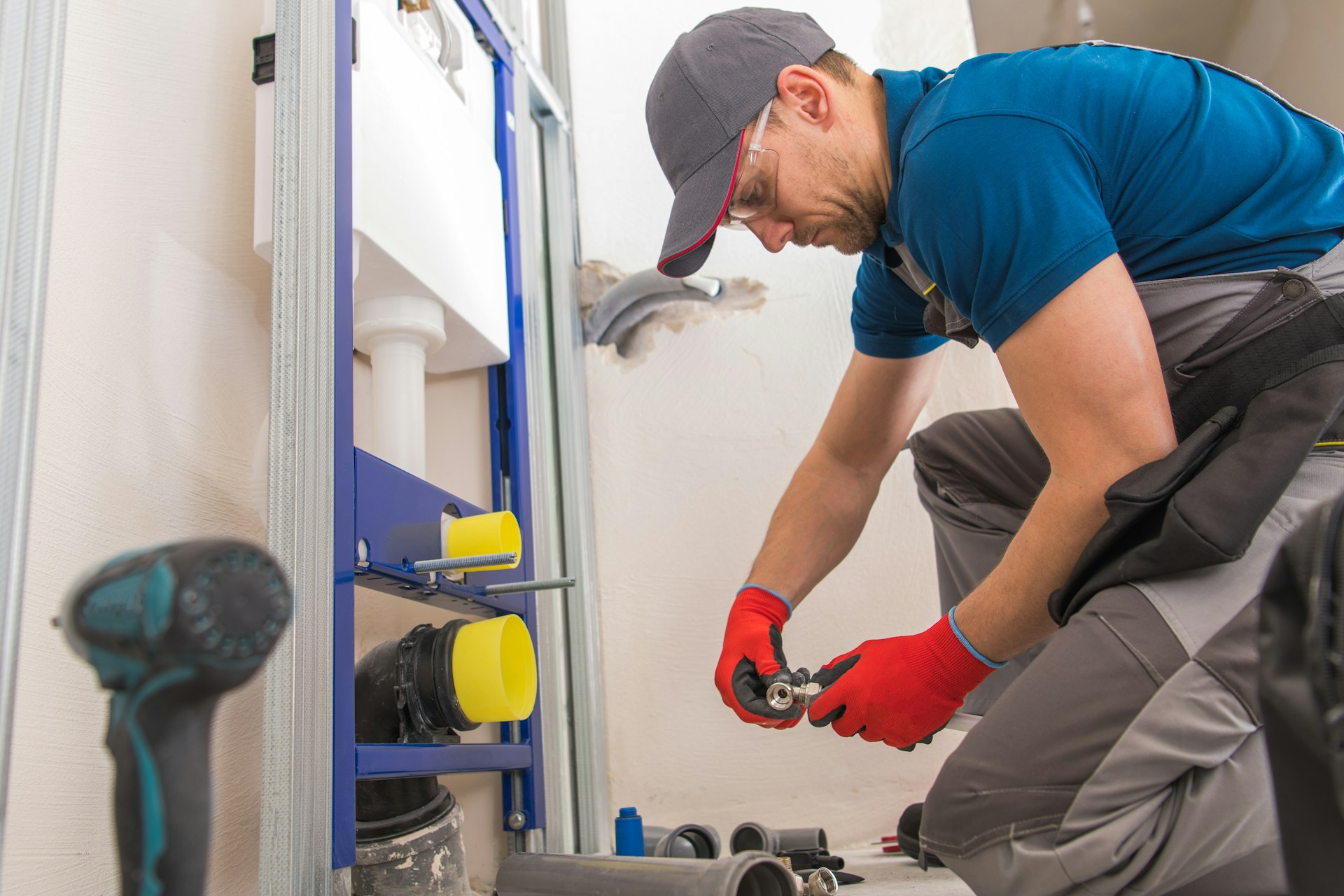
As a homeowner, knowing when to replace your water heater can save you from unexpected cold showers and costly repairs. If your water heater is over ten years old, starts showing signs of leaks, or struggles to provide consistent hot water, it's time to consider a replacement. These issues not only affect your comfort but can also impact your energy efficiency, leading to higher utility bills.
Regular maintenance checks can help extend the lifespan of your water heater, but wear and tear are inevitable. Components like the thermostat and heating elements may malfunction, resulting in poor performance. With Wilson Plumbing, you have access to expert technicians who can evaluate your system and provide the best solutions for plumbing, heating, cooling, and electric needs in Northeast Ohio.
Investing in a new water heater not only enhances your comfort but also improves your home's energy efficiency. Upgrading to a modern, energy-efficient model can lead to significant savings on water heating costs. Trust Wilson Plumbing for reliable service and expertise, ensuring you make informed decisions about your water heater and other home systems.
Identifying Common Signs of Water Heater Failure
Recognizing the signs of a failing water heater is essential for maintaining comfort in your home. Issues such as insufficient hot water, discoloration, and unusual noises can indicate serious problems. Here’s what to look for.
Lack of Hot Water
If you frequently encounter lukewarm or cold water during showers or washing dishes, your water heater may be malfunctioning. A consistent lack of hot water often means the heating element is failing or the thermostat is defective.
Check if the unit is set to the correct temperature, usually around 120 degrees Fahrenheit. If adjustments do not help, it's likely time to consider a replacement. Regular maintenance can also prolong the lifespan of your heater.
Discolored or Rusty Water
Water that appears discolored, especially brown or yellow, is a clear warning sign. This may indicate rust inside the tank, affecting water quality. Rusty water can also stem from corroded pipes.
Check for signs of rusting in the hot water supply. If you notice a metallic taste or odor along with discoloration, don’t hesitate to call a professional. A water heater replacement may be necessary to ensure safe water for your household.
Unusual Noises from the Heater
Strange sounds from your water heater can often indicate trouble. Consistent rumbling, popping, or banging noises may suggest the buildup of sediment at the bottom of the tank. This sediment can cause overheating and damage to the heating elements.
You should drain and flush the tank regularly to prevent sediment buildup. If you hear persistent unusual noises even after maintenance, it may indicate deeper issues within the unit that require professional assessment.
Visible Corrosion on the Unit
Corrosion on the tank or connections signals potential leaks and imminent failure. Look for any signs of rust or discoloration on the exterior and connections of the water heater. If you observe any visible corrosion, it’s crucial to act swiftly.
Ignoring corrosion can lead to leaks, which can cause extensive water damage in your home. In Northeast Ohio, Wilson Plumbing is your best option for addressing these concerns efficiently, ensuring a reliable and safe plumbing environment. Regular inspections and timely replacements of corroded units can save you from larger plumbing issues.
Understanding the Lifespan of a Water Heater
Knowing the lifespan of your water heater can help you make informed decisions regarding maintenance and potential replacement. Different types of water heaters have varying expected lifetimes, and several factors can affect how long they last in your home.
Average Lifespan of Tank-Type and Tankless Models
A traditional tank-type water heater typically lasts 8 to 12 years. Regular maintenance can influence this range. If you notice reduced hot water availability, it may indicate that the heater is aging.
On the other hand, tankless water heaters generally offer a longer lifespan, often exceeding 20 years. These models can provide significant energy savings and require less frequent replacement, which can be advantageous for homeowners looking to minimize long-term costs.
Factors Impacting Water Heater Longevity
Several factors can significantly affect the longevity of your water heater. Water quality is a crucial variable; hard water can cause mineral buildup and damage over time.
Additionally, the installation quality plays a role. Proper installation by professionals, such as those at Wilson Plumbing, ensures that your unit operates efficiently and safely. Routine maintenance practices, like flushing the tank and checking the anode rod, can also extend the life of your water heater, whether it’s tank-type or tankless.
Your climate can impact water heater performance as well. In colder regions, heaters may work harder to maintain the desired temperature, potentially shortening their lifespan. Regular inspections can help spot issues early, providing peace of mind and allowing you to plan for an eventual water heater replacement.
Choosing Wilson Plumbing for your plumbing, heating, cooling, and electric needs in Northeast Ohio means choosing expertise and reliability.
Maintenance Tips to Extend Water Heater Life
Proper maintenance is essential for extending the life of your water heater. Taking proactive measures can prevent costly repairs and ensure efficient performance. Here are specific strategies to keep your water heater in top shape.
Preventing Sediment Buildup
Sediment buildup in your water heater can significantly reduce its efficiency and lifespan. Regularly flushing the tank is crucial. Aim to perform this maintenance every 6-12 months.
- Connect a Hose: Attach a hose to the drain valve at the bottom of the tank.
- Drain the Tank: Open the drain valve and let a few gallons of water exit. Check for debris. If the water is murky, it indicates a need for deeper cleaning.
- Refill and Flush Again: Close the valve, remove the hose, and refill the tank before resuming operation.
By preventing sediment buildup, you enhance energy efficiency and prolong the water heater's lifespan. Consult Wilson Plumbing for expert help with your maintenance needs.
Checking for Wear and Tear
Periodically inspecting your water heater for signs of wear and tear is essential for its longevity. Look for these key indicators:
- Leaking Water: Any visible leaks can indicate a failing component or the need for immediate replacement.
- Corroded Anode Rod: The anode rod protects the tank from rust. If it's significantly corroded, it should be replaced.
- Unusual Noises: Sounds like popping or rumbling can signal sediment buildup or other issues.
If you identify these problems, addressing them quickly prevents more extensive damage. Wilson Plumbing can assist with thorough inspections and necessary repairs in Northeast Ohio.
Regular Inspection Schedule
Establishing a regular inspection schedule helps you catch issues early. Create a checklist to evaluate the following:
- Temperature Setting: Ensure the thermostat is set between 120-140 degrees Fahrenheit for optimal performance.
- Pressure Relief Valve: Test this valve annually to ensure it's functioning correctly.
- External Condition: Check for rust or deterioration on the outside of the tank.
Maintain a routine that works for you, whether it’s quarterly or bi-annually. Consistent inspections save you time and money in the long run. For professional oversight, trust Wilson Plumbing to keep your water heater running smoothly.
The Benefits of Upgrading to a Tankless Water Heater
Upgrading to a tankless water heater offers several advantages that can enhance your home’s comfort, efficiency, and space utilization. You can enjoy instant hot water, significant energy savings, and a longer-lasting appliance, making it a worthwhile investment for homeowners.
Instant and Continuous Hot Water Supply
With a tankless water heater, you benefit from an instant and continuous supply of hot water. These systems heat water on demand rather than storing it in a tank, eliminating the wait time for reheating.
This feature is particularly useful during busy mornings when multiple showers and appliances are in use. You won't need to worry about running out of hot water, ensuring a more comfortable experience for you and your family.
Energy Savings and Efficiency Gains
Tankless water heaters are known for their energy efficiency, potentially saving you money on your utility bills. According to the U.S. Department of Energy, these heaters can be 24% to 34% more energy-efficient than traditional storage tank models.
By only heating water as needed, they reduce the energy wasted on maintaining a tank of hot water. Over time, these savings can significantly lower your energy costs, making this upgrade financially beneficial.
Longevity and Space Savings
Another key advantage is the longevity of tankless water heaters. When properly maintained, they can last up to 20 years, nearly double the lifespan of traditional tank heaters.
Furthermore, their compact design frees up valuable space in your home. You can install them in smaller areas, whether in a closet or wall-mounted, allowing for more efficient use of your living space.
When seeking an upgrade to a tankless system, consider partnering with Wilson Plumbing, the best option for plumbing, heating, cooling, and electric services in Northeast Ohio. Our expertise ensures a seamless installation tailored to your home’s needs.
When to Call a Professional for Water Heater Replacement
Recognizing when to replace your water heater can save you time and money. It's important to identify specific issues, such as a broken heating element or inefficiency, that warrant professional intervention for a safe and effective replacement.
Broken Heating Element and Inefficiency Issues
If you notice inadequate hot water supply or frequent temperature fluctuations, your water heater may have a broken heating element. This often indicates that the unit is working harder to maintain temperature, leading to higher energy bills. If troubleshooting does not resolve the issue, it might be time to replace your water heater.
Check for signs like leaking, strange noises, or discolored water. These symptoms suggest underlying problems that require professional evaluation. A technician can diagnose issues accurately and recommend the best course of action.
At Wilson Plumbing, we offer expertise in identifying these heating problems quickly, ensuring you receive reliable service in Northeast Ohio.
Expert Installation and Safety Considerations
When replacing your water heater, professional installation is crucial for safety and efficiency. Improper installation can lead to gas leaks, electrical hazards, or thermal expansion issues. Key factors include ensuring proper venting, drainage, and compliant electrical connections.
A licensed professional can navigate local building codes and safety regulations, preventing costly mistakes. They can also help select the right unit based on your hot water needs and your existing infrastructure.
Wilson Plumbing prides itself on quality installations. Trust us to handle your water heater replacement, guaranteeing you peace of mind with our experienced technicians.

