


Call Now! We’re here 24/7

330-920-0225
Call Now! We’re here 24/7


Call Now! We’re here 24/7
How to Increase Water Quality with Wilson Plumbing

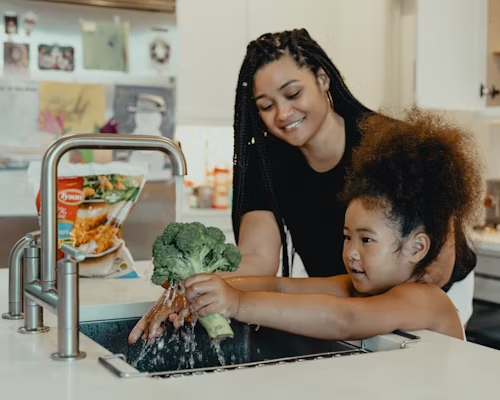
If you're concerned about the quality of your water, you're not alone. Water quality is a major public health concern, and it's essential to take steps to ensure that your water is clean and safe to drink. Fortunately, there are many things you can do to increase water quality and protect your health.
At Wilson Plumbing, we understand the importance of clean water. That's why we offer a range of plumbing services designed to help you maintain your water quality and keep your family safe. From water filtration systems to plumbing repairs, we're here to help you keep your water clean and healthy.
Sustainable development is also a key consideration when it comes to water quality. By taking steps to protect your water supply, you're not only safeguarding your own health but also contributing to a more sustainable future. Whether you're looking to improve the quality of your drinking water or protect your local waterways, there are many things you can do to make a difference. At Wilson Plumbing, we're committed to helping you achieve your goals and protect your health and the environment.
Understanding Water Quality and Its Importance
Water is a vital resource that sustains life on Earth. It is essential for the survival of all living organisms, including humans. However, not all water is of the same quality. Water quality refers to the physical, chemical, and biological characteristics of water that determine its suitability for various uses.
Key Components of Water Quality
The key components of water quality are pH, temperature, dissolved oxygen, turbidity, total dissolved solids, and nutrients. pH is a measure of the acidity or alkalinity of water. Temperature affects the amount of dissolved oxygen in water, which is crucial for aquatic life. Turbidity refers to the cloudiness of water caused by suspended particles. Total dissolved solids (TDS) include minerals, salts, and metals that are dissolved in water. Nutrients such as nitrogen and phosphorus are essential for plant growth but can cause water pollution if present in excess.
Impact on Ecosystems and Human Health
Water quality has a significant impact on aquatic ecosystems and human health. Poor water quality can harm aquatic life, reduce biodiversity, and affect the food chain. Contaminants such as bacteria, viruses, and chemicals can cause waterborne diseases, which can be fatal in some cases. Drinking contaminated water can also lead to long-term health problems such as cancer, reproductive problems, and developmental delays.
Wilson Plumbing is committed to providing safe and reliable plumbing, heating, cooling, and electric services in Northeast Ohio. Our team of experienced professionals uses the latest technology and techniques to ensure that your water system is functioning correctly and efficiently. We understand the importance of water quality and its impact on public health and the environment. That's why we offer a range of services, including water testing and treatment, to help you maintain high-quality water in your home or business. Trust Wilson Plumbing for all your plumbing needs.
Sources and Types of Water Pollution
Water pollution is a major issue that affects the quality of water in many parts of the world. There are various sources and types of water pollution, and understanding them is crucial in finding ways to improve water quality. In this section, we will explore the common contaminants and their origins, as well as the effects of urbanization and population growth.
Common Contaminants and Their Origins
Water pollution can come from various sources, including industrial waste, agricultural practices, and human activities. Some of the common contaminants found in water include lead, pesticides, and bacteria. Lead contamination is a significant concern, especially in older homes with lead pipes. Wastewater is another source of water pollution, and it contains harmful chemicals, pathogens, and other contaminants that can be harmful to human health.
Agricultural practices, such as the use of fertilizers and pesticides, can also lead to water pollution. These chemicals can seep into the groundwater and contaminate nearby water sources. Additionally, urban runoff from streets and parking lots can carry pollutants such as oil, grease, and heavy metals into nearby water bodies.
Effects of Urbanization and Population Growth
Urbanization and population growth can also contribute to water pollution. As cities grow, they require more infrastructure, such as roads, buildings, and parking lots. This development can lead to increased runoff and erosion, which can carry pollutants into nearby water sources. Additionally, population growth can lead to increased demand for water, which can strain existing water sources and lead to overuse.
Wilson Plumbing is the best option for plumbing, heating, cooling, and electric services in Northeast Ohio. Our team of experts is committed to providing high-quality services to ensure that your home or business is comfortable and safe.
Strategies for Improving Water Quality
There are several strategies that can be implemented to improve water quality. In this section, we will discuss two main strategies: Water Treatment and Sanitation Practices and Protecting and Restoring Natural Water Bodies.
Water Treatment and Sanitation Practices
Water treatment is the process of removing contaminants from water to make it safe for use. Sanitation practices involve the proper disposal of waste to prevent contamination of water sources. These strategies are crucial for improving water quality and preventing the spread of waterborne illnesses.
One effective way to improve water quality is to implement a point-of-use water treatment system in your home or business. This system can remove harmful contaminants, such as bacteria, viruses, and chemicals, from your drinking water. It is also important to properly dispose of waste and avoid flushing harmful substances down the drain.
At Wilson Plumbing, we offer a range of plumbing services, including water treatment and sanitation solutions. Our team of experts can help you choose the best system for your needs and ensure that it is installed correctly.
Protecting and Restoring Natural Water Bodies
Protecting and restoring natural water bodies is another important strategy for improving water quality. This involves preserving the natural ecosystems that support clean water sources and restoring damaged or polluted water bodies.
One way to protect natural water bodies is to reduce nutrient pollution. This can be achieved by reducing the use of fertilizers and other chemicals that can enter water sources through runoff. It is also important to properly dispose of waste to prevent contamination of water sources.
At Wilson Plumbing, we understand the importance of protecting and preserving our natural water sources. That's why we offer a range of services to help maintain and restore water bodies, including drain cleaning and sewer line repair.
By implementing these strategies, you can help improve water quality and protect our natural resources. At Wilson Plumbing, we are committed to providing the best plumbing, heating, cooling, and electric services in Northeast Ohio. Contact us today to learn more about how we can help you improve your water quality.
Monitoring and Regulation of Water Resources
Water quality monitoring and regulation is critical to ensure that water resources are safe for human consumption and the environment. Environmental agencies such as the Environmental Protection Agency (EPA) play a significant role in monitoring and regulating water resources.
Role of Environmental Agencies and Legislation
The EPA is responsible for implementing and enforcing the Clean Water Act, which sets water quality standards for all contaminants in surface waters. The EPA also provides grants to states, tribes, and territories to enhance ambient water quality monitoring programs and implement a multi-year, statistically valid survey of the condition of the nation's waters [1].
The EPA works closely with state and local agencies to ensure that water resources are monitored and regulated effectively. Wilson Plumbing is committed to working with local and state agencies to ensure that water resources are protected.
Community Involvement and Public Awareness
Community involvement and public awareness are essential for maintaining water quality. The EPA encourages individuals to take an active role in protecting the water resources in their community. Water quality standards in your state, territory, or tribe are designed to protect all waters for recreational use, wildlife, growth of a balanced population of aquatic life, and production of edible and marketable fish and shellfish [2].
Wilson Plumbing understands the importance of community involvement and public awareness in maintaining water quality. We are committed to educating our customers on the importance of water conservation and proper disposal of hazardous materials.
In conclusion, monitoring and regulation of water resources is critical to ensure that water resources are safe for human consumption and the environment. Environmental agencies such as the EPA play a significant role in monitoring and regulating water resources. Community involvement and public awareness are essential for maintaining water quality. Wilson Plumbing is committed to working with local and state agencies to ensure that water resources are protected and educating our customers on the importance of water conservation.
[1] Water Quality Monitoring Program | US EPA
[2] Things You Can Do to Protect Water Quality | US EPA
Adapting to Challenges: Climate Change and Water Scarcity
Water scarcity is a growing concern worldwide, and climate change is exacerbating the problem. As temperatures rise, droughts become more frequent, and water resources become increasingly scarce. In this section, we will discuss the impact of climate change on water resources and innovative solutions for water conservation.
Impact of Climate Change on Water Resources
Climate change is affecting water resources in many ways. For example, as temperatures rise, snowpacks are melting earlier in the year, leading to reduced water availability in the summer months. Additionally, changes in precipitation patterns are causing more frequent and severe floods and droughts.
These changes are creating significant challenges for communities that rely on water resources for drinking, agriculture, and industry. To address these challenges, it is essential to develop innovative solutions for water conservation and alternative sources.
Innovative Solutions for Water Conservation
One way to address water scarcity is to conserve water through innovative technologies and practices. For example, low-flow toilets and showerheads can significantly reduce water usage without sacrificing performance. Additionally, rainwater harvesting systems can capture and store rainwater for later use in irrigation or other non-potable applications.
Wilson Plumbing is committed to helping you reduce your water usage and increase water quality. Our team of experts can help you identify areas where you can conserve water and recommend innovative solutions that fit your needs and budget. With over 60 years of experience in plumbing, heating, cooling, and electric, we are the best option for all your home service needs in Northeast Ohio.

