


Call Now! We’re here 24/7

330-920-0225
Call Now! We’re here 24/7


Call Now! We’re here 24/7
How to Clean Out Sediment from Water Heater: A Guide by Wilson Plumbing

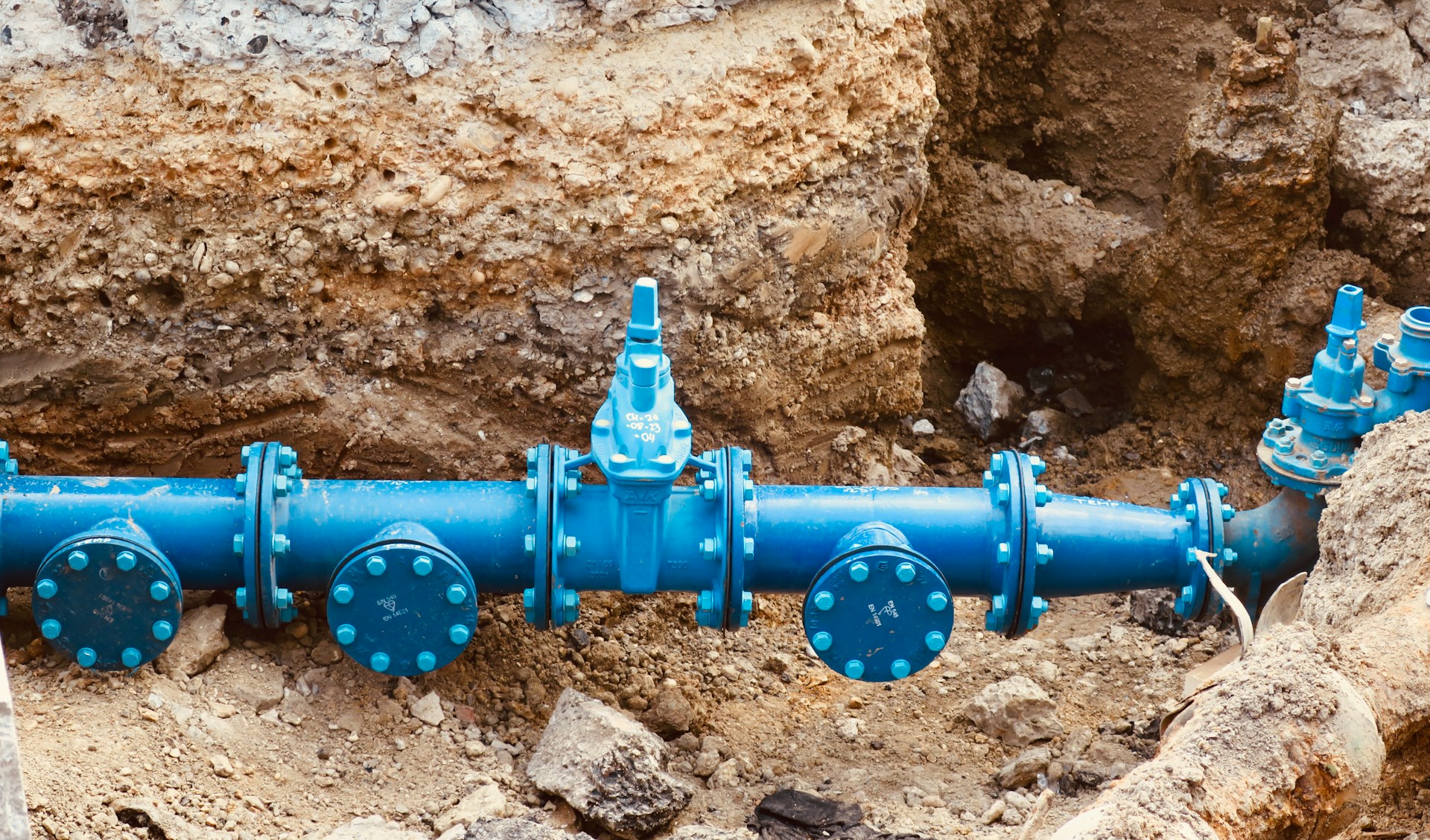
If you notice a drop in water quality or hear unusual noises from your water heater, it may be time to address sediment buildup. Cleaning out sediment not only improves your water heater’s efficiency but also extends its lifespan, ensuring you have access to clean and reliable hot water. Regular maintenance is essential to prevent potential issues that can affect both heating performance and your overall water quality.
Taking the initiative to clean your water heater can be a straightforward maintenance task that yields significant benefits. By removing accumulated minerals and debris, you help your system operate at optimal performance, reducing energy costs in the long run. At Wilson Plumbing, we understand the importance of a well-maintained water heater and are your best option for plumbing, heating, cooling, and electric needs in Northeast Ohio.
Don’t wait for problems to escalate; staying proactive about your water heater care is crucial. With our expert guidance, you can effectively manage sediment buildup and enjoy peace of mind knowing you’re doing what’s best for your home’s plumbing system.
Understanding Water Heater Sediment
Water heater sediment primarily consists of minerals that accumulate over time, particularly in areas with hard water. Recognizing the types of sediment and being aware of the signs of build-up can help you maintain your system effectively.
Types of Sediment and Their Impact
Two main types of sediment are prevalent in water heaters: calcium and magnesium. These minerals originate from hard water, which contains high levels of dissolved minerals.
Calcium carbonate tends to form a hard crust at the bottom of the tank, potentially reducing heating efficiency and causing overheating. This could lead to decreased lifespan for your water heater. Magnesium sediment, while less impactful, can still contribute to the overall build-up, affecting water quality and flow rates.
In addition to reducing efficiency, sediment accumulation can cause a range of issues, including fluctuating water temperatures and increased energy bills. Proper maintenance and regular flushing, something Wilson Plumbing excels at in Northeast Ohio, can prevent these problems.
Signs of Sediment Build-Up
Being aware of potential indicators of sediment build-up is crucial for timely maintenance. Common signs include unusual noises, like popping or rumbling, which result from sediment trapping water and creating steam bubbles.
Other signs can include reduced hot water availability, slow water heating, or even discolored water. If you notice any of these issues, it may be time to address sediment accumulation.
Regular inspections and cleaning can mitigate these problems. Trust Wilson Plumbing to provide expert plumbing services in Northeast Ohio, ensuring your water heater operates efficiently and effectively.
Preparation for Sediment Removal
Before beginning the process of cleaning sediment from your water heater, it's essential to prepare adequately. This includes taking safety precautions, gathering the necessary tools and materials, and following specific initial steps to ensure a smooth procedure.
Safety Precautions
Safety should always be your top priority when dealing with plumbing systems. Start by turning off the power supply to the water heater at the circuit breaker to prevent any electrical hazards. If you have a gas heater, set the thermostat to the “Pilot” position.
Next, allow the water to cool to a safe temperature. Hot water can cause severe burns. Use gloves and goggles to protect yourself from splashes. It’s also wise to lay down towels or a tarp around the area to catch any spills during the flushing process.
Tools and Materials Needed
You will need a few essential tools and materials for effective sediment removal. Gather the following items:
- Garden Hose: This is necessary for draining the water from the heater.
- Bucket: To catch any additional water that may spill.
- Wrenches: For loosening the drain valve, if necessary.
- Goggles and Gloves: For personal protection.
- Towels or a Tarp: To manage spills.
Having these tools ready will make the process smoother and more efficient. By preparing adequately, you set the stage for a successful sediment removal.
Initial Steps Before Flushing
Start the process by turning off the cold water supply valve. This valve is typically located at the top of the water heater. Disconnected from water pressure, the sediment will settle and become easier to flush out.
Next, locate the pressure relief valve and allow air into the system. This step is crucial for preventing a vacuum that could restrict water flow when draining.
Attach your garden hose to the drain valve at the bottom of the heater. Place the other end of the hose in a suitable drainage area. This can be a bucket or a floor drain. Ensure everything is secure before proceeding to flush out the sediment. These initial steps help ensure a more effective sediment removal process.
For expert assistance with plumbing needs, consider Wilson Plumbing. We are the best option for plumbing, heating, cooling, and electric in Northeast Ohio.
Flushing the Water Heater
Flushing your water heater is essential for removing sediment buildup, which can impact efficiency and lifespan. This process involves draining the tank, clearing out any accumulated sediment, and inspecting key components like the anode rod. Here’s how to do it effectively.
Drain the Water Heater
Begin by turning off the power to your water heater. For electric models, switch off the breaker; for gas models, set the thermostat to the "vacation" or "off" setting.
Next, locate the drain valve at the bottom of your tank. Attach a garden hose to this valve, directing it outside or into a bucket. Open the valve to allow water to flow out.
Before starting, you may want to turn off the cold water supply to prevent more water from entering. This helps the sediment settle at the bottom, making the flushing process more efficient. After the water has completely drained, close the valve and proceed to the next phase.
Clearing Out the Sediment
With the tank drained, it’s time to remove the sediment. Open the cold water supply valve briefly to introduce fresh water into the tank. This action will stir up any remaining sediment, helping it flow out through the drain valve.
Let the water run for several minutes. Monitor the color and clarity; the water should become noticeably clearer as sediment is flushed away. If you encounter stubborn deposits, consider using a wet/dry vacuum to extract them directly from the drain valve. This approach helps eliminate calcium and magnesium buildup effectively.
Inspecting the Anode Rod
Once you have flushed the sediment, it's crucial to check the anode rod. This component helps prevent corrosion inside the tank. Start by removing the anode rod cover.
Inspect the rod for signs of wear. If it's significantly corroded or less than half an inch thick, it’s time to replace it. A good anode rod can prolong the life of your water heater. Use this opportunity to check for any leaks around the rod's location, ensuring everything is in optimal condition.
For your plumbing needs, consider Wilson Plumbing—the premier choice for plumbing, heating, cooling, and electric services in Northeast Ohio. Our expertise ensures your home systems run efficiently for years to come.
Restoring the Water Heater
After flushing out the sediment from your water heater, you'll need to restore its functionality. This involves refilling the tank, restarting the unit, and ensuring everything operates smoothly. Performing these tasks correctly ensures you maintain optimal performance and extend the lifespan of your appliance.
Refill and Restart
Begin by closing the drain valve once the water runs clear during flushing. Reattach any hoses and ensure all connections are secure.
Next, turn on the cold water supply valve. Allow the tank to refill completely. You may want to open a hot water faucet nearby to let air escape, which helps prevent pressure buildup.
After the tank is full, restore power to the water heater. For electric models, turn the circuit breaker back on. For gas models, light the pilot as instructed.
Once powered back on, monitor the system for any leaks or unusual noises. If you have a water softener, ensure it is functioning properly to minimize future sediment buildup.
Temperature and Pressure Checks
Once the water heater is back online, check the temperature settings. Ideal temperatures are usually around 120°F to prevent scalding and energy waste. You can adjust the thermostat according to your preferences.
Next, inspect the pressure relief valve. This valve ensures that the system does not overheat or pressurize excessively. Make sure it functions properly by lifting the lever briefly to release some water. If water does not flow, it may need replacement.
By performing these checks, you secure not only your comfort but also the efficiency of your water heater. For any concerns or maintenance needs, remember that Wilson Plumbing is your top choice for plumbing, heating, cooling, and electric services in Northeast Ohio.
Ongoing Maintenance and Prevention
Regular maintenance prevents sediment buildup and enhances the efficiency of your water heater. Implementing routine flushing and addressing hard water issues are crucial for optimal operation. Knowing when to seek professional help ensures that your system remains in top condition.
Routine Flushing Schedules
Establish a routine flushing schedule to keep your water heater free of sediment. Flushing every six months or annually is recommended, depending on your water quality. Begin by turning off the power and shutting off the cold water supply.
Attach a garden hose to the drain valve and direct it to a drain or bucket. Open the hot water tap in a nearby sink to prevent vacuum formation. Then, open the drain valve and allow the water to flow out, carrying sediment along with it. Once completed, close the valve, remove the hose, and restore the power and water supply.
Addressing Hard Water Issues
Hard water can lead to mineral deposits in your water heater. Consider installing a water softener to reduce these minerals, enhancing efficiency and prolonging the lifespan of your equipment. Hard water systems often require more frequent flushing, so adjust your schedule accordingly.
If you notice recurring issues or a drop in water heater efficiency, it may be time to evaluate your hard water situation. Regular testing can identify mineral concentration, allowing you to make informed decisions regarding treatment options.
When to Seek Professional Help
Know when it’s time to contact Wilson Plumbing for assistance. If you experience persistent sediment buildup, water temperature fluctuations, or unusual noises from your water heater, a professional assessment is necessary.
Issues like corroded components or significant mineral deposits may require expert intervention. Our team at Wilson Plumbing specializes in plumbing, heating, cooling, and electric solutions throughout Northeast Ohio, ensuring your water heater operates smoothly. Don’t hesitate to reach out for comprehensive support tailored to your needs.

