


Call Now! We’re here 24/7

330-920-0225
Call Now! We’re here 24/7


Call Now! We’re here 24/7
How Much Is a Water Heater Replacement in Cleveland, Ohio? Insights from Wilson Plumbing

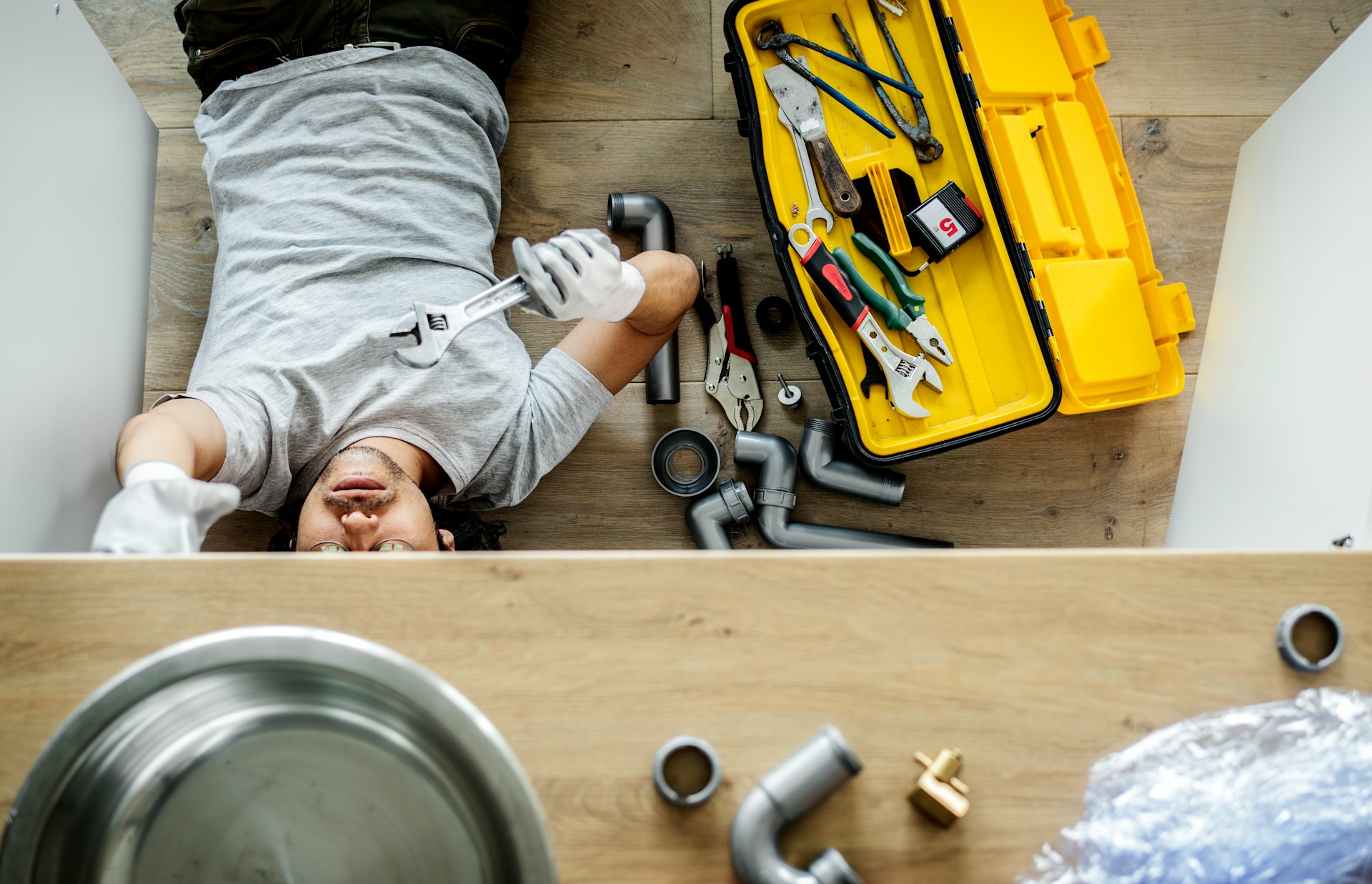
If you’re considering replacing your water heater in Cleveland, Ohio, understanding the costs involved is essential. The average cost for a water heater replacement in the area typically ranges from $1,300 to $2,100, depending on the type and size of the unit. This investment ensures you have a reliable source of hot water, crucial for your daily needs.
Choosing the right installer can also impact your overall expenses. When selecting a service provider, you want a company that has a solid reputation in plumbing and heating services. At Wilson Plumbing, we pride ourselves on being the best option for plumbing, heating, cooling, and electric needs in Northeast Ohio, offering expert installation with a focus on customer satisfaction.
By staying informed about the costs and service quality, you can make a better decision that meets your needs and budget. Trust Wilson Plumbing to guide you through the process, ensuring that your water heater replacement is seamless and efficient.
Understanding Water Heater Options
When considering a water heater replacement in Cleveland, Ohio, it’s essential to understand the different options available. Choosing the right system involves decisions about type, energy source, and efficiency. Here are some key factors to consider.
Comparing Tank vs. Tankless Systems
Tank water heaters are traditional systems that store hot water in a large tank. They provide a ready supply of hot water but can take up significant space. The average tank system costs between $300 to $1,500 and typically has capacities ranging from 30 to 50 gallons.
In contrast, tankless water heaters heat water on demand. This results in energy savings since they only operate when needed. The installation cost usually ranges from $1,240 to $3,800. While they are more energy-efficient, consider that the upfront cost is higher, and you may need an upgrade in your gas line or electrical system to accommodate their needs.
Gas vs. Electric Water Heaters
Choosing between gas and electric water heaters largely depends on your current home setup. Gas water heaters are generally more economical to operate, given the lower cost of natural gas. They heat water faster and are available in both tank and tankless options.
Electric water heaters may have lower initial costs and are easier to install. However, their operating costs can be higher due to electricity prices. Also, electric models typically have slower recovery times compared to gas. If you're focused on installation ease and short-term costs, an electric system may be suitable.
Energy Efficiency and Unit Size
Energy efficiency is a critical consideration when selecting a water heater. Units with higher efficiency ratings will save you money on energy bills over time. Look for the Energy Factor (EF) rating, which indicates how effectively a heater converts energy into hot water.
Unit size is another significant factor. For tank systems, ensure the tank capacity meets your household's peak hot water demands. A family of four typically requires at least a 40-gallon tank. For tankless systems, sizing is based on the number of fixtures in use simultaneously. Wilson Plumbing offers expert consultations to help you select the best option tailored to your home’s needs.
Choosing the right system may seem complicated, but with the proper information, you can decide effectively. Wilson Plumbing is here to assist you in navigating these choices for your plumbing, heating, cooling, and electric needs in Northeast Ohio.
Cost Factors for Water Heater Replacement
When considering water heater replacement in Cleveland, Ohio, several factors can significantly impact the total cost. Understanding these elements helps you make informed decisions and ensure a smooth installation process.
Water Heater Unit and Installation Costs
The type of water heater you choose plays a pivotal role in the overall cost. Tank water heaters typically range from $980 to $2,300 when installed, while tankless options may vary more extensively, generally costing between $600 and $2,700.
Installation costs contribute to the final price, often ranging from $150 to $500 for standard systems. If you decide to transition from a tank-style to a tankless unit, installation expenses could soar to $2,500 due to the complexity involved. Choosing an experienced provider like Wilson Plumbing ensures quality installation at a competitive rate.
Labor Cost Variances
Labor costs can fluctuate based on several factors, including local market rates and the scope of work. In Cleveland, you might see labor expenses anywhere from $150 to $500 for standard replacement jobs.
However, projects that require significant additions or modifications can increase these costs. For instance, relocating piping or upgrading electrical systems may demand additional skilled labor. Partnering with Wilson Plumbing helps ensure you receive fair pricing while benefiting from our expertise in plumbing and heating.
Additional Electrical and Plumbing Considerations
Whenever you replace a water heater, additional electrical and plumbing considerations come into play. If your existing setup requires upgrades, such as increased electrical capacity or new plumbing, these factors will add to your total expenses.
Tankless water heaters, for example, typically necessitate upgraded electrical systems to manage the higher power demand. Plumbing modifications may also be necessary, particularly if you’re making a switch from a tank model. Prioritizing a thorough assessment from Wilson Plumbing will help you anticipate these costs and avoid surprises during your replacement project.
Selecting a Water Heater Installer
Choosing the right installer for your water heater is crucial for ensuring a smooth replacement process. Focus on hiring professionals with the necessary qualifications and reputation to handle your specific needs effectively.
Licensed Plumber vs. General Contractors
When selecting your installer, it's essential to understand the differences between licensed plumbers and general contractors. Licensed plumbers specialize in plumbing services, including water heater installation and repairs. They have specific training and certifications that equip them to handle plumbing-related tasks.
On the other hand, general contractors may offer a broader range of services but may not have the plumbing-specific expertise. Opting for a licensed plumber usually ensures that your installation meets local codes and regulations. This is particularly important in Cleveland, Ohio, where compliance with municipal plumbing standards is mandatory.
Hiring a specialist like Wilson Plumbing gives you the assurance of professional service tailored to your plumbing needs.
Finding Reputable Water Heater Services
Finding reputable water heater services involves some research. Start by checking online reviews and ratings of local installers. Look for feedback on the quality of their work, punctuality, and customer service.
Ask for referrals from friends or family who have recently had a water heater replaced. Additionally, contact your potential installers and inquire about their experience with water heaters similar to yours.
Ensure that they provide written estimates detailing the cost of installation, necessary permits, and any potential additional charges. It’s also wise to confirm that your installer offers a warranty on their work. Wilson Plumbing stands out in Northeast Ohio for its commitment to quality and customer satisfaction in plumbing and heating services.
The Installation Process
Installing a water heater involves several key steps that ensure a smooth and efficient setup. Understanding these steps can help you prepare and make informed decisions throughout the installation.
Pre-Installation Checklist
Before starting the installation, you need to gather the necessary tools and materials. Here's a checklist to guide you:
- Tools Needed: Pipe wrenches, screwdrivers, pliers, and a drill.
- Materials Required: The new water heater, pipes, fittings, and valves.
- Permits: Check local regulations in Greater Cleveland to see if a permit is needed.
- Accessibility: Ensure there is enough space around the installation area for easy access.
Make sure to also shut off the water supply and electrical connections before proceeding. This helps in avoiding any accidents and ensures that the installation can be completed without interruptions.
Tankless Water Heater Installation Steps
Installing a tankless water heater requires specific attention to plumbing and electrical connections. Here are the essential steps:
- Remove Old Unit: Carefully disconnect and remove your old water heater.
- Positioning: Place the new tankless heater in an accessible location, preferably near the water supply lines.
- Connect Water Supply: Attach the inlet and outlet pipes to the new unit. Ensure you use high-quality fittings to prevent leaks.
- Electrical Connection: For electric models, connect the unit to power following the manufacturer's guidelines. Consult a professional if you’re unsure about the connections.
- Testing: Turn on your water supply and power, then check for leaks and ensure the heater functions correctly.
Proper installation is crucial for the efficiency of your hot water supply.
Safety and Building Code Compliance
Adhering to safety standards and building codes is essential in the installation process. Ensure the following:
- Local Codes: Familiarize yourself with the plumbing and electrical codes in Cleveland. Compliance avoids potential fines and issues.
- Ventilation: For gas models, ensure proper ventilation to prevent dangerous gas buildup. Follow installation manuals strictly.
- Electrical Safety: If your water heater requires electrical work, hire a licensed electrician to ensure all wiring is safe and up to code.
- Professional Assistance: Engaging a licensed installer, like those from Wilson Plumbing, guarantees that all safety and code requirements are met.
By following these guidelines, you can ensure a successful and compliant water heater installation.
After Installation: Maintenance and Service
Once your water heater is installed, routine maintenance and timely repairs are essential to ensure optimal performance and longevity. Regular attention to your system can prevent costly breakdowns and enhance energy efficiency.
Routine Water Heater Service Tasks
Maintaining your water heater involves several key tasks. Start with flushing the tank every six months to remove sediment buildup. This not only extends the life of your hot water heater but also improves efficiency.
Next, inspect the anode rod annually. This rod prevents tank corrosion, and replacing it when needed can significantly increase your unit's lifespan. Additionally, check the temperature setting. Keeping it around 120°F can provide sufficient hot water while saving on energy costs.
Don’t forget to test the TPR (Temperature and Pressure Relief) valve annually. A properly functioning valve is vital for safety, releasing excess pressure.
Consider scheduling professional maintenance through Wilson Plumbing, your top choice for plumbing services in Northeast Ohio, to ensure all tasks are completed effectively.
Addressing Repairs and Efficiency
Should you encounter any issues, addressing them promptly is crucial. The most common problems include inconsistent hot water supply or unusual noises from the tank. These could indicate sediment buildup or mechanical failure.
If your water heater is older or frequently requiring repairs, exploring water heater replacement services might be wise. Upgrading to modern options, such as heat pump water heaters, can drastically improve efficiency.
For general troubleshooting, ensure that the power supply is stable and that your HVAC system is functioning correctly, as it can affect the heater's performance. If problems persist, contacting Wilson Plumbing guarantees that you receive expert assistance tailored to your needs.

