


Call Now! We’re here 24/7

330-920-0225
Call Now! We’re here 24/7


Call Now! We’re here 24/7
How Long for Hot Water Heater to Heat Up? Expert Advice from Wilson Plumbing
July 29, 2024

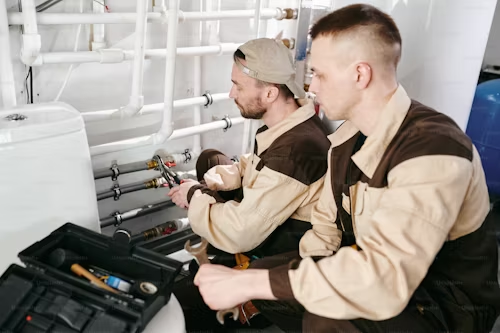
If you're wondering how long it takes for your hot water heater to heat up, you're not alone. The answer depends on several factors, including the type of heater you have, its size, and its efficiency. At Wilson Plumbing, we understand that having hot water is essential for your daily routine, and we're here to help you get the most out of your hot water heater.
Whether you have an electric or gas hot water heater, it will take some time for the water to heat up. According to The Water Nerd, it can take anywhere from 30 minutes to an hour for your hot water heater to heat up. If you have an electric heater, it will take longer to heat up than if you have a gas heater. Generally, larger tanks and higher settings will result in longer wait times.
At Wilson Plumbing, we know that waiting for hot water can be frustrating. That's why we offer expert installation, repair, and maintenance services to keep your hot water heater running efficiently. Our team of experienced technicians is dedicated to providing you with the best possible service, so you can enjoy reliable hot water whenever you need it.
Understanding Water Heaters
If you're wondering how long it takes for a water heater to heat up, it's important to understand the different types of water heaters and how they work. Here are some key things to keep in mind:
Types of Water Heaters
There are two main types of water heaters: tank and tankless. Tank water heaters store hot water in a large tank and keep it heated until it's needed. Tankless water heaters, on the other hand, heat water on demand as it flows through the unit.
Within these two categories, there are also different options for energy sources. Electric water heaters use electricity to heat the water, while gas water heaters use natural gas or propane. Solar water heaters use energy from the sun to heat the water.
Capacity and Size
When it comes to water heaters, size matters. The size of the water heater you need depends on the size of your home and your hot water usage habits. A larger tank will provide more hot water, but it will also use more energy to keep the water heated.
It's important to choose a water heater that is the right size for your needs. If you choose a tank that is too small, you may run out of hot water quickly. If you choose a tank that is too large, you'll be wasting energy and money on heating water you don't need.
Energy Source
The energy source you choose for your water heater can also impact how quickly it heats up. Electric water heaters typically take longer to heat up than gas water heaters. However, electric tankless water heaters can heat up water faster than gas tankless water heaters.
Overall, the type, size, and energy source of your water heater can all impact how long it takes for it to heat up. If you're not sure which type of water heater is right for your home, contact Wilson Plumbing. We are the best option for plumbing, heating, cooling, and electric in Northeast Ohio.
Factors Influencing Heating Time
When it comes to the heating time of your hot water heater, there are several factors that can affect how long it takes for the water to heat up. Understanding these factors can help you determine how long you can expect to wait for hot water and how to optimize your system for faster heating.
Water Heater Age and Condition
The age and condition of your water heater can have a significant impact on its heating time. Older water heaters may take longer to heat up due to wear and tear on the heating elements or sediment buildup in the tank. If your water heater is more than 10 years old, it may be time to consider a replacement. Wilson Plumbing offers a wide range of plumbing, heating, cooling, and electric services in Northeast Ohio, including water heater installation and replacement.
Initial Water Temperature
The initial temperature of the water entering your water heater can also affect heating time. If the incoming water is already warm, the heater won't have to work as hard to heat it up to the desired temperature. However, if the incoming water is very cold, it will take longer to heat up.
Heater Settings
The settings on your water heater can also impact heating time. If the temperature setting is lower, the water will heat up faster but may not be as hot. Higher temperature settings will take longer to heat up but will provide hotter water. It's important to find the right balance between heating time and water temperature to meet your needs.
Volume and Flow Rate
The volume and flow rate of water you're using can also affect heating time. If you're using a lot of hot water at once, the heater will take longer to heat up the additional water. Similarly, if the flow rate is high, the water won't have as much time to heat up as it passes through the heater.
Wilson Plumbing can help you determine the best water heater for your needs based on your home's size, water usage, and other factors. Our team of experts can also provide maintenance and repair services to keep your water heater running efficiently.
In summary, the age and condition of your water heater, initial water temperature, heater settings, and volume and flow rate of water usage are all factors that can impact heating time. By understanding these factors and working with a trusted professional like Wilson Plumbing, you can ensure that your water heater is optimized for fast, efficient heating.
Heating Elements and Thermostat
When it comes to heating your water, the heating elements and thermostat in your hot water heater play a crucial role. Understanding how they work can help you troubleshoot issues and ensure your hot water heater is functioning properly.
Electric Heating Elements
Electric hot water heaters use heating elements to heat the water. These elements are typically made of metal and are located inside the tank. When the thermostat senses that the water temperature has dropped below the set temperature, it sends a signal to the heating elements to turn on and start heating the water.
If you have an electric hot water heater and are experiencing issues with the heating elements, it is important to have a professional plumber, like Wilson Plumbing, inspect and repair the unit. Attempting to repair the heating elements yourself can be dangerous and lead to further damage to your hot water heater.
Gas Burners and Pilot Light
Gas hot water heaters use a burner and pilot light to heat the water. The pilot light is a small flame that is always burning and is used to ignite the burner when the thermostat calls for heat. The burner then heats the water in the tank.
If you have a gas hot water heater and are experiencing issues with the pilot light or burner, it is important to have a professional plumber, like Wilson Plumbing, inspect and repair the unit. Attempting to repair the pilot light or burner yourself can be dangerous and lead to further damage to your hot water heater.
Thermostat Function
The thermostat in your hot water heater is responsible for regulating the temperature of the water in the tank. It senses the temperature of the water and sends a signal to the heating elements or gas burner to turn on or off as needed to maintain the set temperature.
If you are experiencing issues with the thermostat in your hot water heater, it is important to have a professional plumber, like Wilson Plumbing, inspect and repair the unit. Attempting to repair the thermostat yourself can be dangerous and lead to further damage to your hot water heater.
Overall, understanding how the heating elements and thermostat work in your hot water heater can help you troubleshoot issues and ensure your unit is functioning properly. If you need assistance with your hot water heater or any other plumbing, heating, cooling, or electric needs in Northeast Ohio, contact Wilson Plumbing for expert service.
Maintenance and Troubleshooting
Regular Maintenance
To ensure that your hot water heater is functioning optimally, it is important to perform regular maintenance. This includes checking the pressure relief valve, flushing the tank to remove sediment buildup, and inspecting the anode rod. You should also check the temperature settings and adjust them as necessary. It is recommended to perform these tasks at least once a year.
Common Issues
If you are experiencing lukewarm water or are unable to get a hot shower, there may be an issue with your hot water heater. One common issue is a faulty thermostat, which can be replaced by a professional plumber. Another issue could be sediment buildup in the tank, which can be flushed out during regular maintenance. If you notice a leak or hear strange noises coming from the tank, it is important to call a professional immediately to avoid further damage.
Professional Assistance
If you are unable to troubleshoot your hot water heater issues on your own, it is important to seek professional assistance. At Wilson Plumbing, we offer plumbing, heating, cooling, and electric services in Northeast Ohio. Our team of experts can diagnose and fix any issues you may be experiencing with your hot water heater. We pride ourselves on our exceptional customer service and high-quality workmanship.
Remember to perform regular maintenance on your hot water heater to ensure it is functioning optimally. If you experience any issues, don't hesitate to call a professional like Wilson Plumbing to diagnose and fix the problem.
Installation and Replacement
When it comes to installing or replacing a hot water heater, there are several important factors to consider. In this section, we'll cover some of the key considerations and provide some tips to help you make the best decision for your needs.
Choosing a New Water Heater
If you're in the market for a new water heater, there are several options to choose from. The most common types of water heaters include storage tanks and tankless heaters. Storage tanks are the most traditional type of water heater, and they work by heating and storing a large volume of water in a tank. Tankless heaters, on the other hand, heat water on demand, which means they don't require a storage tank.
When choosing a new water heater, you'll also need to consider the power source. Electric water heaters are the most common, but natural gas and propane storage tank water heaters are also available. Tankless electric heaters and propane tankless water heaters are also options to consider.
Installation Considerations
Installing a new water heater can be a complex and time-consuming process, so it's often best to hire a professional plumber to handle the job. A professional plumber can ensure that the installation is done correctly and safely, and they can also help you choose the right type of water heater for your needs.
When installing a new water heater, it's important to consider the distance between the heater and your hot water supply. If the distance is too great, you may experience a delay in getting hot water to your faucets.
When to Replace
If your current water heater is outdated or not functioning properly, it may be time to replace it. According to the U.S. Department of Energy, the average lifespan of a water heater is between 10 and 15 years. If your water heater is nearing the end of its lifespan or is experiencing frequent problems, it may be time to replace it.
At Wilson Plumbing, we understand that choosing the right water heater and installing it correctly can be a daunting task. That's why we offer professional plumbing services to help you every step of the way. With our expert knowledge and experience, we can help you choose the right water heater for your needs and ensure that it's installed correctly and safely. Trust us to be your go-to option for plumbing, heating, cooling, and electric needs in Northeast Ohio.

