


Call Now! We’re here 24/7

330-920-0225
Call Now! We’re here 24/7


Call Now! We’re here 24/7
How Hot Should Your Water Heater Be? Wilson Plumbing Explains.
July 22, 2024

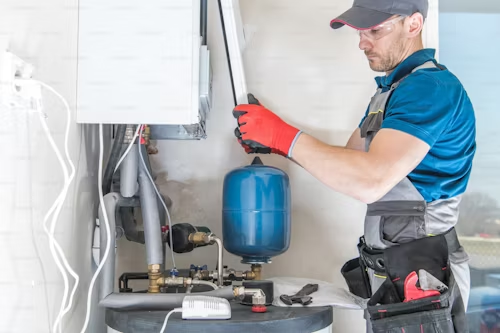
If you're wondering how hot your water heater should be set, you're not alone. This is a common question among homeowners who want to ensure they have hot water for daily activities like showering, washing dishes, and doing laundry. At Wilson Plumbing, we understand the importance of having hot water that's both safe and energy-efficient. That's why we're here to help you determine the ideal temperature setting for your water heater.
When it comes to setting the temperature on your water heater, there are a few things to consider. First and foremost, safety should be your top priority. Water that's too hot can cause burns, especially in children and the elderly. On the other hand, water that's not hot enough can lead to the growth of harmful bacteria. Additionally, setting your water heater too high can waste energy and money. At Wilson Plumbing, we can help you find the perfect balance between safety, efficiency, and comfort.
Understanding Water Heater Temperatures
When it comes to your water heater, understanding the ideal temperature setting is crucial for both safety and efficiency. In this section, we will cover the ideal water heater temperature, how to adjust the temperature, and how to measure the water temperature.
Ideal Water Heater Temperature
According to Plumbing Doctor, the recommended temperature setting for your hot water heater depends on the intended use of the hot water. For most households, a temperature of 120 degrees Fahrenheit (49 degrees Celsius) is recommended. This temperature is considered safe for daily activities such as showering, washing dishes, and doing laundry. However, if you have young children or elderly individuals in your household, you may want to consider lowering the temperature to prevent accidental burns.
Adjusting the Temperature
Most water heaters have a dial or digital pad at the bottom of the tank to adjust the temperature. Before adjusting the temperature, be sure to read the manufacturer's instructions to ensure safe operation. To adjust the temperature, simply turn the dial to the desired temperature setting. It is recommended that you adjust the temperature in small increments to avoid overheating the water.
Measuring Water Temperature
To measure the current temperature setting of your water heater, you can use a thermometer. After adjusting the temperature, run hot water at a faucet for at least a minute, then use a thermometer to check the water temperature. If the temperature is not at the desired setting, adjust the temperature accordingly.
At Wilson Plumbing, we understand the importance of maintaining your water heater to ensure safety and efficiency. Our team of experienced professionals provides top-quality plumbing, heating, cooling, and electric services in Northeast Ohio. Trust us to keep your home comfortable and safe.
Safety Considerations
When it comes to setting the temperature of your water heater, safety is a top priority. There are two main safety considerations to keep in mind: scalding risks and preventing bacterial growth.
Scalding Risks
Hot water can cause serious burns, especially in children and the elderly. According to the American Burn Association, scald burns are the second leading cause of burn injuries in the United States. To reduce the risk of scalding, set your water heater temperature to no higher than 120°F (49°C). This temperature is hot enough for daily activities such as showering, washing dishes, and doing laundry, but not so hot that it can cause burns.
Preventing Bacterial Growth
Bacteria such as Legionella can grow in water heaters that are not set to the proper temperature. Legionella can cause Legionnaires' disease, a severe form of pneumonia that can be fatal. To prevent bacterial growth, set your water heater temperature to at least 120°F (49°C). However, temperatures above 140°F (60°C) can increase the risk of burns. It's important to find the right balance between preventing bacterial growth and avoiding scalding risks.
As a reputable plumbing, heating, cooling, and electric company in Northeast Ohio, Wilson Plumbing understands the importance of safety when it comes to your water heater. That's why we recommend setting your water heater temperature to no higher than 120°F (49°C) to reduce the risk of scalding, while still preventing bacterial growth. Trust us to keep your home safe and comfortable.
Energy Efficiency and Cost Savings
Reducing Energy Bills
Maintaining the right water temperature and reducing energy bills go hand in hand. Heating water accounts for a significant portion of your energy bill, so it is important to ensure that your water heater is energy-efficient. The United States Department of Energy recommends setting your water heater thermostat to 120°F (49°C) to save energy and reduce costs. This temperature is not only energy-efficient but also prevents scalding.
Insulating your water heater and pipes can also help reduce energy costs. Insulation helps to prevent heat loss, which means that your water heater will use less energy to maintain the desired temperature. You can also install a timer that turns off your water heater during the hours when you don't need hot water, such as when you are at work or asleep.
Maintaining Your Water Heater
Maintaining your water heater is crucial to ensure that it remains energy-efficient and cost-effective. Regular maintenance can help identify and fix any issues before they become major problems, which can save you money in the long run. Some maintenance tasks you can perform include flushing your water heater tank to remove sediment buildup, checking the pressure relief valve, and inspecting the anode rod.
At Wilson Plumbing, we understand the importance of maintaining your water heater to ensure that it remains energy-efficient and cost-effective. We offer a range of plumbing, heating, cooling, and electric services to customers in Northeast Ohio. Our team of experienced technicians can help you with all your water heater needs, from installation to maintenance and repair. Trust us to provide you with the best service and solutions for your home.
Water Heater Types and Settings
When it comes to water heaters, there are two main types: electric and gas. Each type has its own pros and cons, so it's important to consider your specific needs before making a decision.
Electric vs. Gas Water Heaters
Electric water heaters are generally more energy-efficient than gas water heaters, but they can also be more expensive to operate. Gas water heaters, on the other hand, are typically less expensive to operate but may cost more upfront.
Another key difference between electric and gas water heaters is the thermostat settings. Electric water heaters typically have two thermostats, one for the upper heating element and one for the lower heating element. This allows for greater control over the temperature of the water. Gas water heaters, on the other hand, have a single thermostat that controls the temperature of the entire tank.
Tankless Water Heaters
Tankless water heaters are a newer option that offer several benefits over traditional water heaters. They are typically more energy-efficient, take up less space, and can provide an endless supply of hot water. However, they can also be more expensive to install and may require additional upgrades to your home's electrical or gas systems.
When it comes to choosing the right water heater and setting the thermostat, it's important to consider your specific needs and usage habits. At Wilson Plumbing, we offer a variety of plumbing, heating, cooling, and electric services to meet your needs. Our experienced technicians can help you choose the right water heater for your home and ensure that it is set to the optimal temperature for your safety and comfort.
Special Considerations for Households
When it comes to setting the temperature of your water heater, there are a few special considerations that households should keep in mind. These considerations include household size and hot water needs, as well as vulnerable populations.
Household Size and Hot Water Needs
The size of your household and your hot water needs will determine the ideal temperature setting for your water heater. A larger household with more hot water needs may require a higher temperature setting, while a smaller household may be able to get by with a lower temperature setting. It is important to find the right balance between hot water needs and energy efficiency to avoid overuse and high utility bills.
Vulnerable Populations
Certain populations in your household may be more vulnerable to hot water burns or bacterial infections. This includes families with small children, elderly adults, and those with compromised or suppressed immune systems. For these vulnerable populations, it is recommended to set the temperature of your water heater to 120°F or lower to avoid scalding and reduce the risk of bacterial growth.
At Wilson Plumbing, we understand the importance of finding the right temperature setting for your water heater. Our expert technicians can help you determine the ideal temperature setting for your household's hot water needs while keeping vulnerable populations safe. As the best option for plumbing, heating, cooling, and electric in Northeast Ohio, we pride ourselves on our knowledgeable and reliable service.

