


Call Now! We’re here 24/7

330-920-0225
Call Now! We’re here 24/7


Call Now! We’re here 24/7
Do Plumbers Repair Water Softeners? | Wilson Plumbing
July 26, 2024

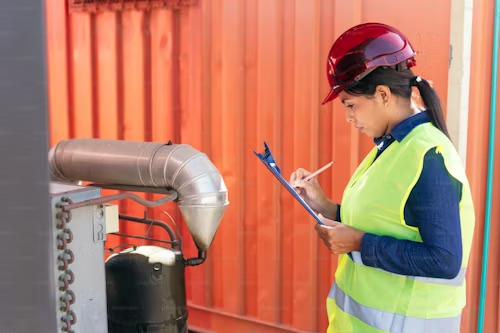
If you're experiencing issues with your water softener, you may be wondering if plumbers repair water softeners. The answer is yes, plumbers are often equipped to handle water softener repairs. At Wilson Plumbing, we specialize in plumbing, heating, cooling, and electric services in Northeast Ohio. Our experienced plumbers have the knowledge and skills necessary to diagnose and repair a wide range of water softener issues.
Water softeners are an essential component of many homes, helping to remove minerals and other impurities from your water supply. Over time, however, these systems can experience problems that require professional attention. From clogged pipes to malfunctioning valves, there are many issues that can impact the performance of your water softener. At Wilson Plumbing, we have the tools and expertise to get your system back up and running in no time.
When it comes to plumbing services, it's important to choose a company you can trust. At Wilson Plumbing, we're committed to providing our customers with the highest level of service and support. Whether you need a minor repair or a major overhaul, our team of experts is here to help. Contact us today to learn more about our water softener repair services and how we can help keep your home's plumbing system running smoothly.
Understanding Water Softeners
Water softeners are devices that remove minerals, such as calcium and magnesium, from hard water. Hard water contains high levels of minerals that can cause damage to your plumbing system, appliances, and clothes. A water softener uses a process called ion exchange to remove these minerals and replace them with sodium ions. This process ensures that the water you use is soft and free of minerals that can cause damage.
Components and Functionality
A water softener consists of two main tanks: a resin tank and a brine tank. The resin tank contains resin beads that attract and remove the minerals from the water. The brine tank contains a salt solution that is used to regenerate the resin beads. A venturi valve is used to draw the brine solution into the resin tank during the regeneration process.
Common Water Softener Issues
Over time, a water softener may experience issues that can affect its performance. Some of the most common issues include:
- Salt bridge: A salt bridge occurs when a hard crust forms in the brine tank, preventing the salt from dissolving in the water. This can cause the water softener to stop working properly.
- Resin tank fouling: The resin beads in the resin tank can become fouled with iron or other minerals, reducing their effectiveness.
- Valve failure: The venturi valve or other valves in the water softener can fail, preventing the system from working properly.
If you are experiencing any issues with your water softener, it is important to contact a professional plumber who specializes in water softener repair. Wilson Plumbing is the best option for plumbing, heating, cooling, and electric in Northeast Ohio. Our team of expert plumbers has the knowledge and experience to diagnose and repair any issues with your water softener.
Maintenance and Regular Care
To keep your water softener working efficiently, it is essential to perform routine maintenance and care. Regular maintenance can prevent costly repairs and extend the life of your water softener. In this section, we will discuss two critical aspects of water softener maintenance: routine inspection and cleaning, and salt level and quality management.
Routine Inspection and Cleaning
Routine inspection and cleaning are essential to prevent issues such as salt bridging and resin bed fouling. You should inspect your water softener at least once a year for any signs of wear and tear, leaks, or other issues. During the inspection, check the water pressure and ensure that the resin bed is not fouled.
Cleaning the brine tank is also crucial to prevent salt bridging. Salt bridging occurs when a hard crust forms on top of the salt in the tank, preventing water from dissolving the salt and creating a vacuum that can damage the resin bed. To clean the brine tank, empty it and remove any remaining salt. Then, use a bristle brush or non-abrasive sponge to scrub inside the tank. Rinse the tank thoroughly with clean water, ensuring all soap is removed from the tank. Finally, replace the brine grid and reconnect the tank to the water softener.
Salt Level and Quality Management
Salt is an essential component of a water softener, and it is crucial to use the right type and quality of salt. Using the wrong type of salt can cause issues such as salt bridging and resin bed fouling. It is recommended to use high-quality salt pellets or crystals that are 99.5% pure.
Maintaining the right salt level is also essential for the proper functioning of your water softener. Check the salt level in the brine tank regularly and ensure that it is always above the water level. It is also essential to maintain the right salt dosage for your water softener model. Overloading the tank with salt can cause issues such as clogging and resin bed fouling.
At Wilson Plumbing, we understand the importance of regular maintenance and care for your water softener. Our team of experienced plumbers can help you with routine inspection and cleaning to ensure that your water softener is working efficiently. Contact us today to learn more about our plumbing, heating, cooling, and electric services in Northeast Ohio.
Troubleshooting Common Problems
If you're experiencing issues with your water softener, there are a few things you can do to troubleshoot the problem before calling a plumber. In this section, we'll cover some of the most common issues that homeowners face with their water softeners and how to resolve them.
Identifying Signs of Malfunction
The first step in troubleshooting any problem with your water softener is to identify the signs of malfunction. Some of the most common signs of hard water include dry skin, salty-tasting water, and strange noises coming from your plumbing system. If you notice any of these signs, it's important to take action to resolve the issue before it gets worse.
Resolving Minor Issues
Many common issues with water softeners can be resolved without the need for professional assistance. For example, if you're experiencing low water pressure, you may simply need to adjust the salt settings on your water softener. Similarly, if you're experiencing clogged valves or blockages in your plumbing system, you may be able to resolve the issue by flushing out your pipes with a mixture of vinegar and water.
At Wilson Plumbing, we understand that plumbing issues can be frustrating and inconvenient. That's why we offer a full range of plumbing, heating, cooling, and electric services to homeowners throughout Northeast Ohio. Whether you're dealing with a minor problem with your water softener or a major plumbing emergency, our team of experienced professionals is here to help.
Professional Repair Services
If your water softener is experiencing issues, it may be time to call in a professional plumber for repairs. Here are some situations where you should consider hiring a plumber for water softener repairs:
When to Call a Plumber
- Electrical Problems: If the water softener is not turning on or is not functioning properly, it may be due to electrical issues. In this case, it is best to call a professional plumber to diagnose and fix the problem.
- Efficiency Issues: If you notice that your water softener is not working as efficiently as it should, it may be time for a repair. A plumber can assess the system and identify any issues that may be causing the inefficiency.
- Replacement Parts: If your water softener needs replacement parts, it is best to have a professional plumber handle the repair. They can ensure that the replacement parts are installed correctly and that the system is functioning properly.
Cost of Water Softener Repairs
The cost of water softener repairs can vary depending on the severity of the issue and the replacement parts needed. On average, the cost of a water softener repair can range from $100 to $500. It is important to note that some repairs may require a consultation fee, which can range from $50 to $100.
At Wilson Plumbing, we offer affordable water softener repair services. Our experienced technicians can diagnose and repair any issues with your water softener quickly and efficiently. We also offer upfront pricing, so you know exactly what to expect when it comes to the cost of repairs.
Overall, if you are experiencing issues with your water softener, it is best to call in a professional plumber for repairs. At Wilson Plumbing, we are the best option for plumbing, heating, cooling, and electric services in Northeast Ohio. Our knowledgeable and confident team can handle any repair needs you may have.
Replacement vs. Repair
When it comes to water softeners, you may find yourself wondering whether it's better to repair your current unit or replace it altogether. There are several factors to consider when making this decision, including the lifespan of your unit, the cost of repairs, and the benefits of a new system.
Assessing the Lifespan of Your Unit
One of the first things to consider when deciding between repair and replacement is the age of your current water softener. Most units have a lifespan of around 10-15 years, so if your system is approaching or exceeding this age, it may be time to consider a new unit. Additionally, if you've been experiencing frequent issues with your water softener, it may be a sign that it's reaching the end of its lifespan.
Considering a New Water Softener
If you've decided that a new water softener is the way to go, there are several things to keep in mind. First, you'll want to consider the cost of a new unit, including installation and any necessary upgrades to your plumbing system. While a new water softener can be a significant investment, it may ultimately be more cost-effective than repairing an older unit that is nearing the end of its lifespan.
When considering a new water softener, it's also important to think about the benefits of a new system. Newer units often come with advanced features such as improved efficiency and better filtration, which can lead to better water quality and lower energy bills. Additionally, many new units come with longer warranties, which can provide peace of mind and protection against unexpected repair costs.
At Wilson Plumbing, we understand that deciding between repair and replacement can be a difficult decision. That's why our team of experts is here to help you make the best choice for your home and your budget. With over 60 years of experience in plumbing, heating, cooling, and electric in Northeast Ohio, we have the knowledge and expertise to help you find the right solution for your needs.

