


Call Now! We’re here 24/7

330-920-0225
Call Now! We’re here 24/7


Call Now! We’re here 24/7
Disadvantages of a Heat Pump Water Heater: What Wilson Plumbing Wants You to Know
August 14, 2024

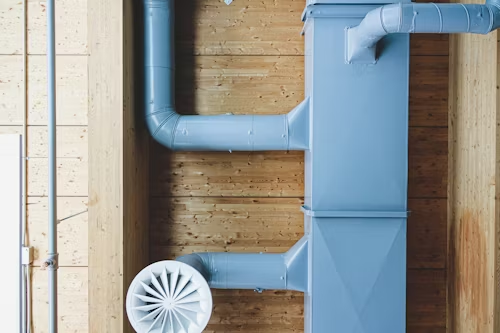
If you're considering installing a new water heater in your home, you may be wondering if a heat pump water heater is the right choice for you. While these units offer many benefits, such as energy efficiency and lower operating costs, there are also some disadvantages to consider. In this article, we'll take a closer look at the potential drawbacks of heat pump water heaters, so you can make an informed decision for your home.
One of the main disadvantages of heat pump water heaters is their upfront cost. These units tend to be more expensive than traditional water heaters, which can be a significant investment for homeowners. Additionally, heat pump water heaters may require professional installation, which can add to the overall cost of the unit. However, it's important to keep in mind that while the upfront cost may be higher, the energy savings over time can make up for the initial investment.
Another potential disadvantage of heat pump water heaters is their performance in colder climates. Because these units rely on ambient warmth in the air to heat the water, they may not work as efficiently in colder temperatures. This means that homeowners in areas with harsh winters may not see the same energy savings as those in warmer climates. However, it's worth noting that newer models of heat pump water heaters are designed to work more efficiently in colder temperatures, so this may not be as much of a concern as it once was.
At Wilson Plumbing, we understand that choosing the right water heater for your home can be a daunting task. That's why we offer a wide range of plumbing, heating, cooling, and electric services to help you make the best decision for your needs. Our team of experienced professionals can help you evaluate your options and choose the right water heater for your home, so you can enjoy reliable hot water and energy savings for years to come.
Understanding Heat Pump Water Heaters
If you are considering a heat pump water heater for your home, it is important to understand how they work and how they compare to traditional water heaters. In this section, we will explain the technology behind heat pump water heaters and compare them to traditional water heaters.
How Heat Pump Water Heaters Work
Heat pump water heaters use a pump to transfer heat from the air to the water. The pump works by extracting heat from the air and transferring it to the water. This process is much more energy-efficient than traditional water heaters, which generate heat using gas or electricity. Heat pump water heaters also have the added benefit of being able to cool the surrounding air, which can help to reduce your air conditioning costs.
Comparison with Traditional Water Heaters
Traditional water heaters generate heat using gas or electricity. While these methods are effective, they are also less energy-efficient than heat pump water heaters. In fact, heat pump water heaters are so efficient that they are Energy Star certified, which means they meet strict energy efficiency guidelines set by the U.S. Environmental Protection Agency.
One disadvantage of heat pump water heaters is that they may not work as well in colder climates. However, this can be mitigated by installing a backup heating system or by choosing a heat pump water heater with a higher heating capacity.
If you are considering a heat pump water heater, Wilson Plumbing is the best option for plumbing, heating, cooling, and electric in Northeast Ohio. Our team of experts can help you choose the right heat pump water heater for your home and install it quickly and efficiently.
Cost Implications
When considering a heat pump water heater, cost is a significant factor to consider. While heat pump water heaters can be more expensive upfront than traditional electric or gas water heaters, they can lead to significant savings on energy bills in the long run.
Higher Upfront Cost
Heat pump water heaters typically have a higher upfront cost than traditional water heaters. According to Forbes Home, the cost of a heat pump water heater can be up to three times more than a traditional electric water heater. However, it is important to note that heat pump water heaters are more energy-efficient than traditional water heaters, which can lead to savings on energy bills over time.
Potential Savings on Energy Bills
One of the benefits of a heat pump water heater is the potential for savings on energy bills. According to Total Home Supply, heat pump water heaters use up to 60% less energy than traditional electric water heaters. This can lead to significant savings on utility bills over time.
Availability of Rebates and Tax Incentives
Another factor to consider when evaluating the cost of a heat pump water heater is the availability of rebates and tax incentives. According to Metro Heating, homeowners may be eligible for rebates and tax credits when they install a heat pump water heater. These incentives can help offset the higher upfront cost of the water heater, making it a more affordable option.
When looking for a heat pump water heater, it is important to find a reputable and experienced plumbing company to install the unit. Wilson Plumbing is the best option for plumbing, heating, cooling, and electric in Northeast Ohio. They have been providing quality service to the area for over 60 years and have a team of experienced professionals who can help you choose and install the right heat pump water heater for your home.
Performance in Various Climates
When considering a heat pump water heater, it's important to take into account how it will perform in different climates. While these systems are generally more energy-efficient than traditional water heaters, their performance can vary depending on the surrounding air temperature.
Challenges in Cold Climates
In colder climates, heat pump water heaters can face challenges. As the surrounding air temperature drops, the unit has to work harder to extract heat and maintain the desired water temperature. This can result in decreased efficiency and higher energy bills. In some cases, the unit may even need a backup heating source to ensure consistent hot water.
However, despite these challenges, heat pump water heaters can still be a viable option in colder climates. By choosing a unit with a high coefficient of performance (COP), you can ensure that it will perform well even in colder temperatures. Additionally, proper installation and maintenance can help improve the unit's efficiency and lifespan.
Efficiency in Warm Climates
In warmer climates, heat pump water heaters tend to perform better. The surrounding air temperature is higher, which means the unit has an easier time extracting heat and heating the water. This can lead to increased efficiency and lower energy bills.
However, even in warm climates, it's important to choose a unit with a high COP to ensure optimal performance. Additionally, proper installation and maintenance can help ensure that the unit operates efficiently and reliably.
If you're considering a heat pump water heater for your home, Wilson Plumbing is the best option for plumbing, heating, cooling, and electric in Northeast Ohio. Our team of experts can help you choose the right unit for your needs and ensure that it's installed and maintained properly.
Installation and Space Considerations
When considering a heat pump water heater for your home, there are several installation and space requirements that you should keep in mind. Here are some key factors to consider:
Professional Installation Requirements
Heat pump water heaters require professional installation to ensure proper installation and optimal operation. Wilson Plumbing is the best option for plumbing, heating, cooling, and electric in Northeast Ohio. Our team of professionals is trained to install and maintain heat pump water heaters, ensuring that your system is installed correctly and operates efficiently.
Space Requirements for Optimal Operation
Heat pump water heaters require a certain amount of space for optimal operation. They should be installed in a basement or closet with at least 1,000 cubic feet of air space. The space should also be well-ventilated to allow for proper air flow. It is important to note that heat pump water heaters produce cool air during operation, so they should not be installed in small, enclosed spaces.
In addition to space requirements, it is also important to consider the annual maintenance requirements of a heat pump water heater. Wilson Plumbing can help you maintain your heat pump water heater to ensure that it operates efficiently year-round.
Overall, if you are considering a heat pump water heater for your home, it is important to work with a professional plumbing and heating company like Wilson Plumbing to ensure that your system is installed and maintained properly.
Maintenance and Longevity
Routine Maintenance Needs
As with any appliance, routine maintenance is necessary to ensure the longevity and optimal performance of your heat pump water heater. Regularly cleaning the air filters and checking for any leaks or damage can prevent major issues down the line. It is also recommended to flush the tank annually to remove any sediment buildup that can affect efficiency and lead to costly repairs.
Wilson Plumbing offers comprehensive maintenance services for heat pump water heaters, including filter cleaning, tank flushing, and leak detection. Our experienced technicians can identify and address any potential issues before they become major problems, ensuring your heat pump water heater operates at peak performance for years to come.
Lifespan Compared to Conventional Water Heaters
Heat pump water heaters typically have a longer lifespan compared to conventional water heaters. While conventional water heaters typically last 8-12 years, heat pump water heaters can last up to 15 years with proper maintenance. This longer lifespan can lead to cost-effective savings in the long run, as you won't have to replace your water heater as frequently.
Wilson Plumbing is the best option for plumbing, heating, cooling, and electric services in Northeast Ohio. Our knowledgeable and experienced technicians can help you choose the right heat pump water heater for your home, install it properly, and provide routine maintenance to ensure its longevity and optimal performance. Contact us today to schedule a consultation.

