


Call Now! We’re here 24/7

330-920-0225
Call Now! We’re here 24/7


Call Now! We’re here 24/7
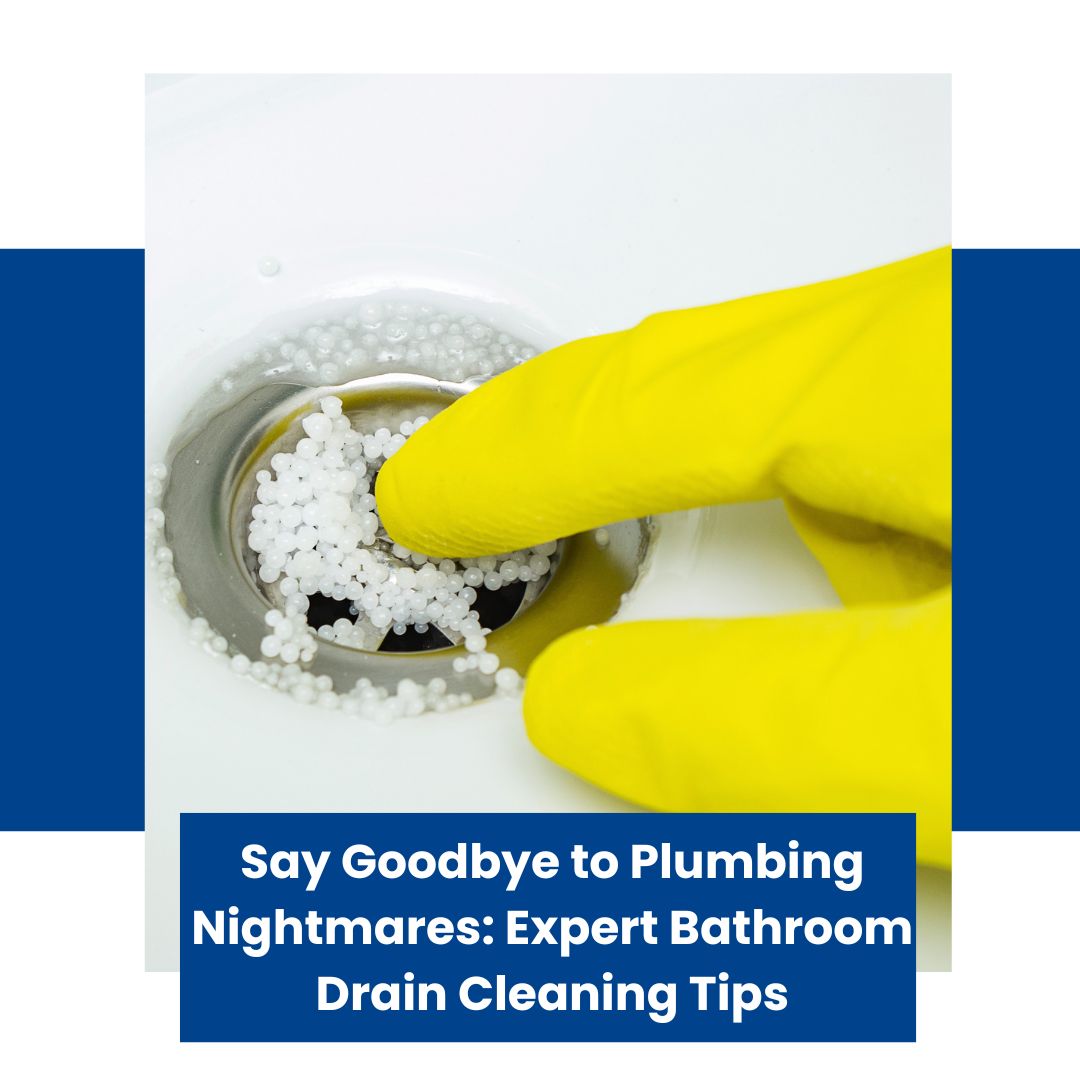
Say Goodbye to Plumbing Nightmares: Expert Bathroom Drain Cleaning Tips
July 16, 2024

Understanding Bathroom Drain Cleaning
Proper maintenance and regular cleaning of bathroom drains are essential to prevent plumbing nightmares. By understanding the importance of regular drain maintenance and the common causes of bathroom drain clogs, homeowners can take proactive steps to keep their drains clear and functioning efficiently.
Importance of Regular Drain Maintenance
Regular drain maintenance is crucial for several reasons. Firstly, it helps to prevent clogs and blockages from occurring in the first place. By staying on top of drain cleaning, you can minimize the chances of experiencing unpleasant backups and slow drainage.
Moreover, regular drain maintenance can prolong the lifespan of your plumbing system. When drains are clogged, the pressure on the pipes increases, which can lead to cracks, leaks, or even burst pipes. By keeping your drains clean, you reduce the risk of costly repairs and potential water damage.
Common Causes of Bathroom Drain Clogs
Understanding the common causes of bathroom drain clogs can help homeowners take preventive measures to avoid them. Some of the most common culprits include:
Hair: Hair is one of the primary causes of bathroom drain clogs. When showering or grooming, hair can accumulate in the drain pipes over time, leading to blockages. Using hair catchers or drain screens in the bathroom can help prevent hair from entering the drain.
Soap Scum: Soap residue, combined with minerals in the water, can create a sticky buildup known as soap scum. Over time, soap scum can accumulate in the drain pipes, narrowing the passage for water to flow freely.
Dirt and Debris: Dirt, grime, and other debris can find their way into bathroom drains, especially in sinks. These particles can accumulate, causing clogs and impeding the proper flow of water.
Toilet Paper: Excessive use of toilet paper or flushing large amounts at once can overwhelm the plumbing system, leading to clogged toilet drains. It's important to use toilet paper in moderation and avoid flushing anything other than toilet paper and human waste.
By being aware of these common causes of bathroom drain clogs, homeowners can take proactive steps to prevent clogs and maintain clean drains. Regular hot water flushing, using hair catchers or drain screens, and avoiding the use of chemical cleaners are all effective preventive measures. For more information on preventive measures and tips for maintaining clean drains, visit our article on preventive measures for maintaining clean drains.
Maintaining clean drains is an ongoing process, and it's essential to address drain issues promptly to prevent them from escalating. By incorporating routine drain maintenance into your home care schedule and practicing proper waste disposal, you can keep your bathroom drains clear and say goodbye to plumbing nightmares.
DIY Drain Cleaning Methods
When faced with a clogged bathroom drain, you don't always need to immediately call a professional plumber. There are several effective DIY drain cleaning methods that you can try to clear the blockage. In this section, we will explore three common techniques: using a plunger, homemade drain cleaners, and drain snakes or augers.
Using a Plunger
A plunger is a handy tool that can be used to dislodge clogs in bathroom drains. To use a plunger effectively, follow these steps:
- Ensure there is enough water in the drain to cover the rubber part of the plunger.
- Place the plunger over the drain, creating a tight seal.
- Push down and then pull up on the plunger vigorously, creating suction and pressure to dislodge the clog.
- Repeat the plunging motion several times until the water starts to drain freely.
Using a plunger is often effective for minor clogs and can be a quick and easy solution. For more stubborn clogs, you may need to try other methods or consider calling a professional drain cleaning service. If you need assistance finding a reliable local service, check out our article on drain cleaning near me.
Homemade Drain Cleaners
If you prefer a natural and DIY approach to drain cleaning, there are homemade cleaners you can try using common household ingredients. Here are a couple of popular recipes:
- Baking Soda and Vinegar:
- Pour half a cup of baking soda down the drain.
- Follow it with half a cup of vinegar.
- Allow the mixture to fizz for about 15 minutes.
- Flush the drain with hot water to clear the clog.
- Salt and Hot Water:
- Mix half a cup of salt with a few cups of hot water.
- Stir until the salt dissolves.
- Pour the mixture down the drain and let it sit for a few minutes.
- Flush the drain with hot water to help break down the clog.
These homemade drain cleaners can be effective for minor clogs and are environmentally friendly alternatives to chemical cleaners. However, for more stubborn or persistent clogs, it's advisable to consult a professional or consider other methods. For more information on drain cleaning products and tools, check out our article on best drain cleaning products.
Drain Snakes and Augers
For more challenging clogs, using a drain snake or auger can be an effective solution. These tools are designed to reach deep into the drain and physically remove or break up the blockage. Follow these steps to use a drain snake or auger:
- Insert the snake or auger into the drain opening, feeding it slowly.
- Rotate the handle or crank to maneuver the snake deeper into the drain.
- If you encounter resistance, continue rotating and pushing until you feel the snake break through the clog.
- Once the clog is dislodged, slowly retract the snake while continuing to rotate it.
- Flush the drain with hot water to ensure the clog is completely cleared.
Drain snakes and augers are available in different sizes and lengths, so choose the appropriate tool for your specific needs. If you're unsure about using these tools or are unable to clear the clog, it's best to seek assistance from a professional drain cleaning service. For more information on professional drain cleaning services, refer to our article on drain cleaning services.
By utilizing these DIY drain cleaning methods, you can often clear minor clogs and restore the proper functioning of your bathroom drains. However, it's important to remember that prevention is key to avoiding clogs in the first place. Regular maintenance and implementing preventive measures can help keep your drains clear and minimize the need for extensive cleaning.
Preventive Measures for Maintaining Clean Drains
Taking preventive measures is key to maintaining clean and clog-free bathroom drains. By incorporating these practices into your routine, you can reduce the likelihood of encountering plumbing issues. Here are some effective preventive measures to consider:
Regular Hot Water Flushing
Regularly flushing your drains with hot water is a simple yet effective preventive measure. Hot water helps to dissolve and flush away accumulated debris, grease, and soap scum that can contribute to clogs.
To perform a hot water flush, run hot water from your faucet or shower for a few minutes. This should be done at least once a week to keep your drains clear. However, be cautious not to use boiling water as it can potentially damage certain types of pipes. If you're experiencing persistent clogs or need professional assistance, consider reaching out to a drain cleaning company near you.
Hair Catchers and Drain Screens
Hair is a common culprit when it comes to bathroom drain clogs. Prevent hair clogs by using hair catchers or drain screens in your sinks, showers, and tubs. These simple devices are designed to trap hair and other debris, preventing them from entering and clogging the drain.
Hair catchers and drain screens are available in various shapes and sizes to fit different drain types. They are easy to install and require regular cleaning to ensure optimal functionality. By using these preventive tools, you can significantly reduce the amount of hair and debris that goes down your drains.
Avoiding Chemical Cleaners
While chemical drain cleaners may seem like a quick fix for clogs, they can potentially cause more harm than good. These harsh chemicals can damage pipes over time and pose a risk to your health and the environment. It's best to avoid using chemical drain cleaners altogether.
Instead, opt for safer and more environmentally friendly alternatives. For minor clogs, try using a plunger or a homemade drain cleaner comprised of baking soda and vinegar. These methods can help break down small clogs without causing damage to your plumbing system. For more severe clogs, consider seeking professional help from a drain cleaning service.
By implementing these preventive measures, you can maintain clean and clog-free bathroom drains. Regular hot water flushing, the use of hair catchers or drain screens, and avoiding chemical cleaners are simple yet effective ways to keep your drains flowing smoothly. Remember to address any drain issues promptly to prevent them from escalating into more significant plumbing problems.
Professional Drain Cleaning Services
While many bathroom drain clogs can be resolved with DIY methods, there are instances when it's necessary to call in a professional drain cleaning service. Understanding when to seek professional assistance and the benefits it provides can help ensure the effective and efficient resolution of your drain issues.
When to Call a Professional
It's important to recognize situations where professional drain cleaning services are needed. Here are some indicators that it's time to call in the experts:
Persistent or recurrent clogs: If you find yourself dealing with frequent or recurring clogs in your bathroom drains, it may be a sign of a deeper underlying issue. A professional drain cleaning service can identify the root cause and provide a long-lasting solution.
Slow drainage: Slow draining sinks, showers, or tubs can be a frustrating problem. If your DIY efforts have not been successful in improving the drainage speed, it's advisable to contact a professional. They can accurately diagnose the issue and apply the appropriate techniques to restore proper flow.
Foul odors: Unpleasant odors emanating from your bathroom drains can indicate a buildup of organic matter or sewer line issues. Professional drain cleaning services can thoroughly clean and deodorize your drains, eliminating the source of the smell.
Gurgling or bubbling sounds: Strange noises coming from your drains when using plumbing fixtures can suggest a blockage or improper venting. Professional plumbers have the knowledge and tools to diagnose and resolve these issues effectively.
By recognizing these signs, you can make an informed decision about when to seek professional assistance for your bathroom drain cleaning needs.
Benefits of Professional Drain Cleaning Services
Engaging professional drain cleaning services offers several advantages:
Expertise and experience: Professional plumbers have the knowledge and experience to tackle a wide range of drain issues. They are equipped with the necessary tools and techniques to effectively and efficiently clean your drains.
Thorough cleaning: Professional drain cleaners use advanced equipment and techniques to provide a thorough clean. They can remove stubborn clogs, debris, and mineral deposits that may be difficult to address with DIY methods.
Preventive maintenance: In addition to addressing the immediate problem, professional drain cleaning services can provide preventive maintenance. They can identify potential issues before they escalate and offer solutions to keep your drains running smoothly.
Time and cost savings: While DIY methods may seem cost-effective initially, they can be time-consuming and may not provide a long-term solution. Professional drain cleaning services save you time and effort, and their expertise can prevent costly repairs down the line.
When faced with persistent clogs or complex drain issues, professional drain cleaning services can be a valuable resource. They have the knowledge, experience, and tools to diagnose and resolve even the most challenging bathroom drain problems. Contact a reputable drain cleaning company in your area to ensure your bathroom drains are in the hands of professionals.
Tips for Keeping Bathroom Drains Clear
To prevent the hassle and expense of dealing with clogged bathroom drains, it's important to establish good maintenance habits. By following a routine maintenance schedule, properly disposing of waste, and addressing drain issues promptly, you can keep your bathroom drains clear and avoid plumbing nightmares.
Routine Maintenance Schedule
Regular maintenance is key to preventing bathroom drain clogs. Establish a routine schedule for cleaning your drains to keep them free from buildup. Here are some tips to consider:
- Weekly drain cleaning: Once a week, remove any visible debris, such as hair or soap scum, from the drain using a drain cleaning brush or your fingers (using gloves, of course). Dispose of the collected debris in a trash bin.
- Monthly deep cleaning: Once a month, perform a deeper clean by using a homemade drain cleaner or pouring hot water down the drain. This helps to break down any residue and keep the pipes clear.
By incorporating these maintenance tasks into your regular cleaning routine, you can prevent the accumulation of gunk and minimize the risk of clogs.
Proper Disposal of Waste
Proper waste disposal is essential for maintaining clear bathroom drains. Here are some guidelines to follow:
- Hair: Install hair catchers or drain screens in your sinks, showers, and bathtubs to prevent hair from entering the drains. Regularly clean and remove any trapped hair to prevent it from causing clogs.
- Toilet Paper: Only flush toilet paper down the toilet. Avoid flushing items such as wipes, cotton balls, or feminine hygiene products, as they can cause blockages in the plumbing system.
- Chemicals: Avoid pouring chemicals, such as grease, oils, or harsh drain cleaners, down the drains. These substances can accumulate and cause clogs over time. Instead, dispose of them properly according to local regulations.
By practicing proper waste disposal, you can reduce the chances of drain clogs and maintain the proper functioning of your bathroom plumbing.
Addressing Drain Issues Promptly
If you notice any signs of a slow or clogged drain, it's important to address the issue promptly to prevent it from worsening. Here are some steps to take:
- First signs: If you notice water draining slowly or hear gurgling noises, try using a plunger to dislodge any minor clogs. For more stubborn clogs, consider using a drain snake or auger to remove the blockage. Learn more about these DIY drain cleaning methods in our article on drain cleaning tools.
- Persistent clogs: If the clog persists or recurs frequently, it may be time to call a professional drain cleaning company. They have the expertise and equipment to tackle more stubborn clogs and ensure the proper functioning of your drains. Check out our article on drain cleaning near me to find local professionals in Northeast Ohio.
By addressing drain issues promptly, you can prevent major plumbing problems and save yourself from costly repairs down the line.
By following these tips for keeping your bathroom drains clear, you can maintain a smoothly functioning plumbing system and avoid plumbing nightmares. Regular maintenance, proper waste disposal, and prompt attention to drain issues are the keys to a clog-free bathroom.

